More Than a Prescription Check

A routine vision exam is a comprehensive evaluation of both your vision and your eye health, not just a quick check of your glasses or contact lens prescription. Because many eye diseases progress silently, a routine exam is often the first place early warning signs get caught. Ophthalmology Associates provides routine eye exams in Granbury for patients of all ages, combining vision testing with a thorough health screening at every visit. Schedule an eye exam in Granbury to check both your prescription and the overall health of your eyes.

What's Included in a Routine Vision Exam

  • Visual Acuity Testing: Measures how clearly you see at various distances, the basis for determining your prescription.
  • Refraction: Fine-tunes your exact prescription for glasses or contact lenses using a series of lens comparisons.
  • Eye Pressure Check: Screens for elevated pressure inside the eye, an early indicator of glaucoma risk.
  • Dilated Retinal Exam: Allows your ophthalmologist to examine the retina and optic nerve directly for signs of disease.
  • Disease Screening: Checks for early signs of conditions like cataracts, glaucoma, and macular degeneration, often before any symptoms appear.

Banner media
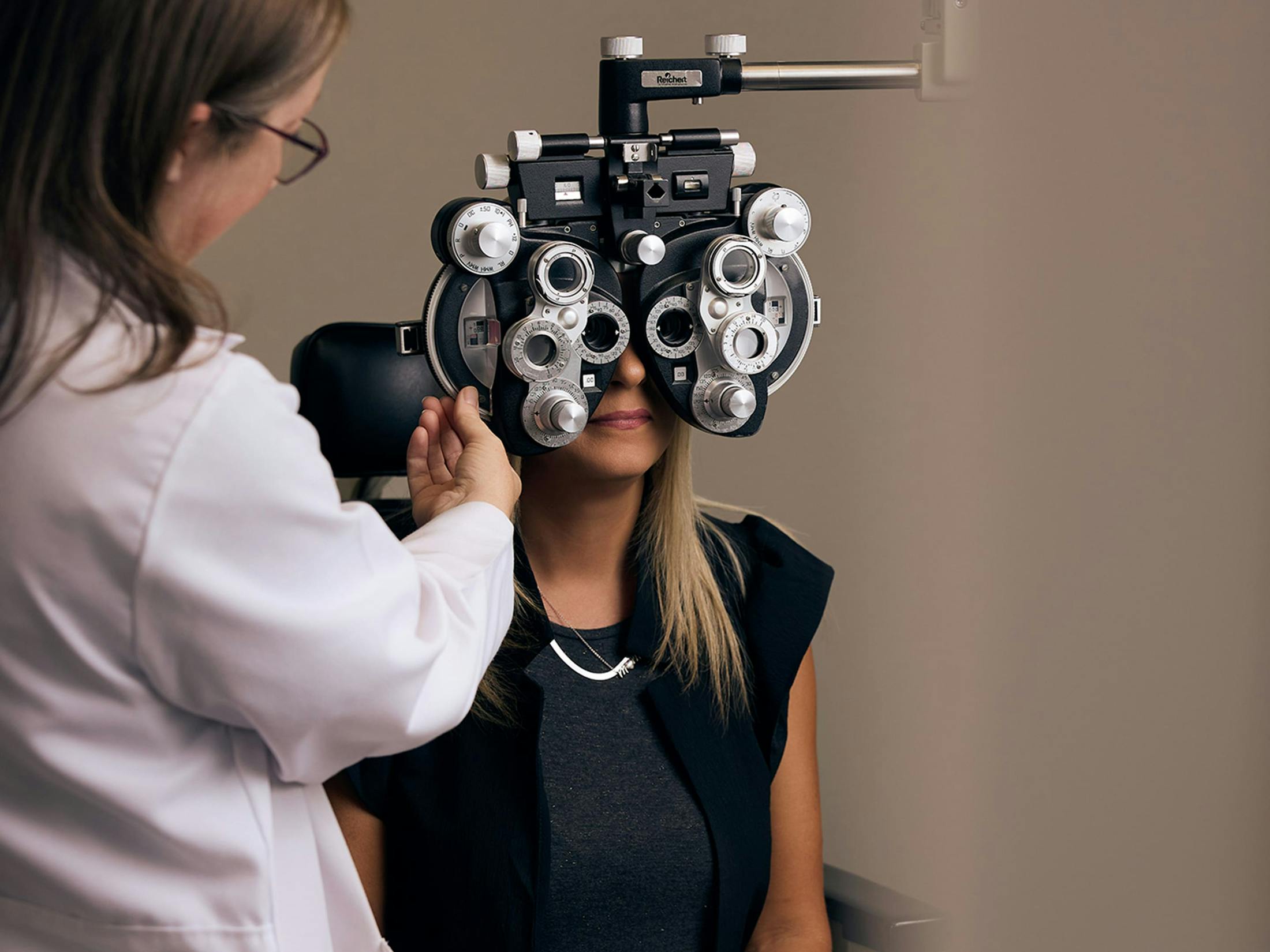
Woman during eye exam

How Often You Should Schedule an Exam

Most healthy adults benefit from a routine vision exam every one to two years, though your ophthalmologist may recommend more frequent visits based on your age, family history, or existing eye conditions. Children should have their vision checked at key developmental milestones, and adults over 60 are generally encouraged to schedule annual exams as the risk for age-related eye disease increases.

Who Should Schedule a Routine Vision Exam?

Routine exams are recommended for nearly everyone, regardless of whether your vision feels sharp or you're already wearing glasses or contacts. Anyone with a family history of eye disease, an existing health condition like diabetes or high blood pressure, or a noticeable change in vision should prioritize scheduling an exam sooner rather than later.

Request an Appointment

Contact Us
Contact us media

My experience with Ophthalmology Associates was perfect. I was able to get an appointment within 24 hours. The staff were friendly and knowledgeable. Dr. Guardiola was also friendly and took the time to explain everything she did first. I highly recommend them.

Debbie Martin

Why Routine Exams Matter Beyond Your Prescription

Because the eyes are one of the few places in the body where blood vessels and nerve tissue can be viewed directly, a routine exam can reveal signs of health conditions well beyond the eyes themselves, including diabetes, high blood pressure, and certain autoimmune conditions. Catching these signs early can prompt a broader medical evaluation before more serious complications develop.

Banner media

Why Choose Ophthalmology Associates?

Ophthalmology Associates has provided routine eye exams in Granbury for more than 50 years, led by board-certified, physician-owned ophthalmologists and optometrists rather than outside investors. Every exam combines a thorough vision check with a full health screening, so small changes get caught early rather than overlooked.

Frequently Asked Questions Routine Vision Exams

Do I still need a routine exam if my vision feels fine?

Yes. Many eye conditions, including glaucoma and early diabetic retinopathy, cause no noticeable symptoms until they've already progressed, which is why routine screening matters even without vision complaints.

Most exams take about 30 to 60 minutes, depending on which tests are needed and whether your eyes are dilated as part of the visit.

Not necessarily every time, though dilation is recommended periodically to allow a full view of the retina and optic nerve. Your ophthalmologist can advise how often it's needed for you.

Yes. Because blood vessels are visible directly in the retina, a routine exam can sometimes reveal early signs of diabetes, high blood pressure, or other systemic conditions.

Many vision and medical insurance plans cover routine exams, though coverage details vary. Our team can help verify your specific benefits before your visit.

A routine exam focuses on vision and general eye health, while a medical exam is typically used to diagnose or monitor a specific condition, such as glaucoma or diabetic eye disease, and may be billed differently.

textured media

Exceptional Eye Care Starts Here

From routine eye exams to advanced surgical care, our experienced team is here to help you see your best.

Schedule an Appointment
Contact us media
Accessibility: If you are vision-impaired or have some other impairment covered by the Americans with Disabilities Act or a similar law, and you wish to discuss potential accommodations related to using this website, please contact our Accessibility Manager at 817-579-0100.
Contact Us