Relief for a Condition That Affects More Than Comfort

Dry eye disease is one of the most common conditions seen in an eye care practice, affecting patients of nearly every age. It happens when the eyes can't maintain a healthy layer of tears, either because too few tears are produced or because the tears that are produced evaporate too quickly. Ophthalmology Associates offers dry eye treatment in Granbury with a range of options, from simple daily habits to advanced in-office procedures, tailored to what's actually causing your symptoms.

Schedule a dry eye evaluation in Granbury to find out what's causing your symptoms and which treatment fits your case.

What Causes Dry Eye?

  • Aging: Tear production naturally declines with age, making dry eye more common in older adults.
  • Environmental Factors: Wind, dry climates, and air conditioning or heating can all speed up tear evaporation.
  • Screen Time: Extended screen use reduces how often you blink, which disrupts the tear film over time.
  • Underlying Conditions: Autoimmune conditions like Sjögren's syndrome, along with certain medications, can significantly reduce tear production.
  • Contact Lens Wear: Long-term contact lens use can affect the tear film and contribute to chronic dryness.

Banner media
Woman smiling

Symptoms of Dry Eye

  • Gritty or Burning Sensation: A persistent feeling of irritation, as if something is in the eye.
  • Redness: Ongoing inflammation of the eye's surface caused by insufficient lubrication.
  • Light Sensitivity: Discomfort in bright light or when transitioning between light and dark environments.
  • Blurred Vision: Vision that fluctuates and often improves temporarily with blinking.
  • Watery Eyes: Reflex tearing that can occur when the eye is irritated by a lack of stable, healthy lubrication.

Who's at Risk for Dry Eye?

Dry eye becomes more common with age, particularly after menopause, and is more frequent in people who spend long hours on digital screens or live in dry, windy, or air-conditioned environments. Patients with autoimmune conditions, those who wear contact lenses regularly, and anyone taking medications like antihistamines or antidepressants also face a higher risk.

Request an Appointment

Contact Us
Contact us media

Everyone was very professional. They thoroughly explained the results of the exam. No waiting!

Christie Clark

How Dry Eye Is Diagnosed

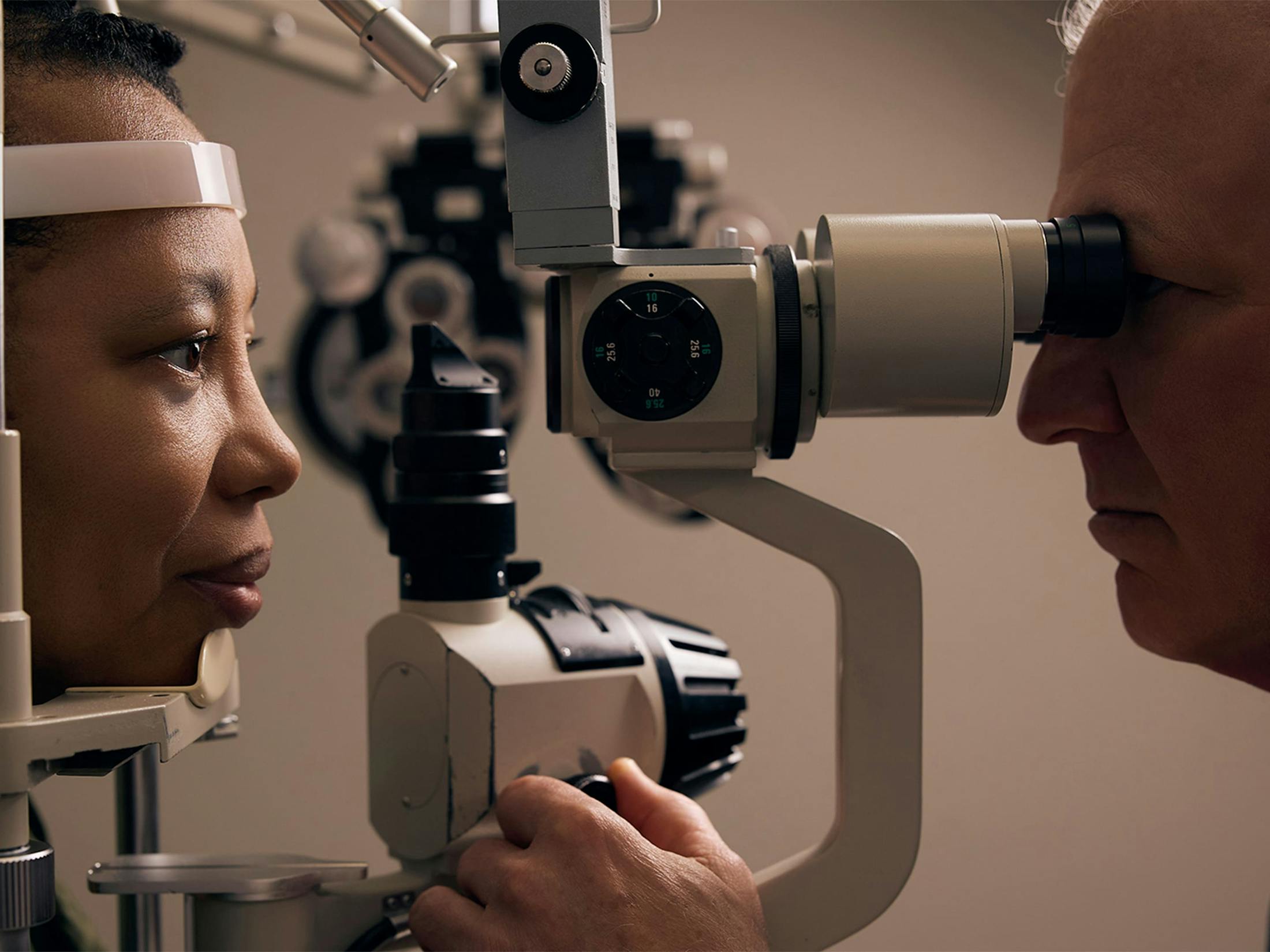
Diagnosis typically starts with a discussion of your symptoms and daily habits, followed by a closer examination of your tear film and the surface of your eye. Specialized tests can measure tear production and evaluate how quickly your tears evaporate, helping your ophthalmologist determine whether the issue is related to tear quantity, tear quality, or both.

Banner media

Treatment Options

  • Artificial Tears and Lubricating Drops: Often the first line of treatment, used to supplement your natural tear film throughout the day.
  • Prescription Medications: Anti-inflammatory eye drops that address the underlying inflammation contributing to chronic dry eye, rather than just masking symptoms.
  • Punctal Plugs: Tiny devices placed in the tear ducts to slow tear drainage, helping keep the eye's surface lubricated longer.
  • In-Office Procedures: Advanced treatments, including light-based and thermal therapies, can target the oil glands responsible for a stable tear film.
  • Lifestyle Adjustments: Simple changes like taking regular screen breaks, using a humidifier, or adjusting contact lens habits can meaningfully reduce symptoms.
Woman smiling | Purple flowers | An eye

Why Choose Ophthalmology Associates?

Ophthalmology Associates provides dry eye treatments in Granbury, led by board-certified, physician-owned ophthalmologists rather than outside investors. We look beyond symptom relief to identify the underlying cause of your dry eye, offering a full range of treatments from simple daily solutions to advanced in-office therapy under one roof.

Frequently Asked Questions Dry Eye Treatment

Is dry eye a permanent condition?

For many patients, dry eye is a chronic condition that requires ongoing management rather than a one-time cure, though consistent treatment can significantly reduce symptoms.

Yes. An unstable tear film can cause blurry or fluctuating vision, particularly during activities like reading or screen use, even though the effect is usually temporary.

For many people, yes. Tear production naturally decreases with age, which is why dry eye becomes more common and often more noticeable later in life.

Yes. Eye allergies can cause redness, itching, and irritation that overlap significantly with dry eye symptoms, which is why an accurate diagnosis matters before starting treatment.

No. Screen time is a common contributing factor, but dry eye can also result from aging, environmental conditions, contact lens wear, or underlying health conditions.

It depends on the underlying cause. Some cases, particularly those linked to a temporary environmental factor, can resolve fully, while chronic causes typically require ongoing management to stay comfortable.

textured media

Exceptional Eye Care Starts Here

From routine eye exams to advanced surgical care, our experienced team is here to help you see your best.

Schedule an Appointment
Contact us media
Accessibility: If you are vision-impaired or have some other impairment covered by the Americans with Disabilities Act or a similar law, and you wish to discuss potential accommodations related to using this website, please contact our Accessibility Manager at 817-579-0100.
Contact Us