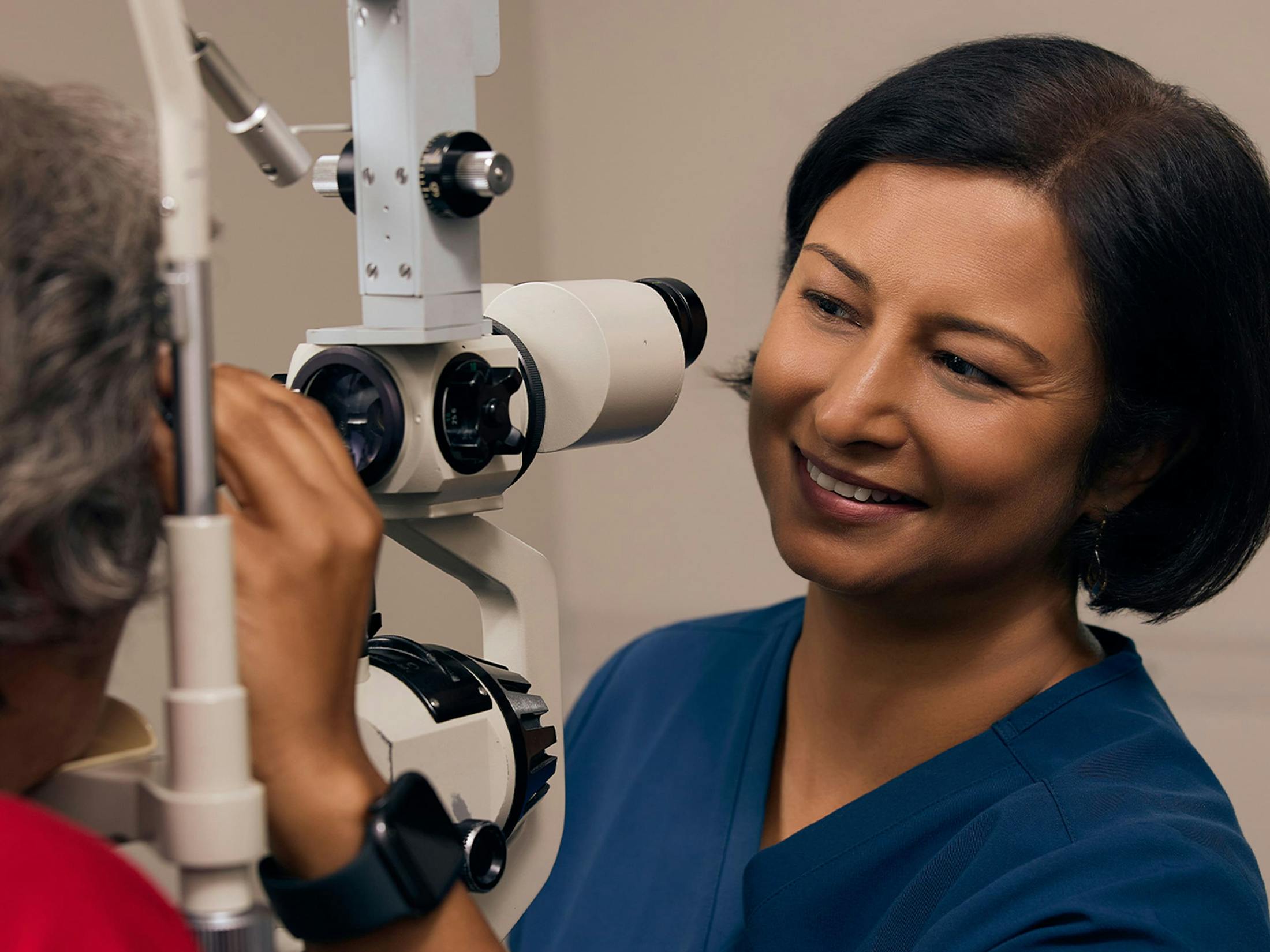
Specialized Care for a Complex Part of the Eye

The retina lines the back of the eye and plays a central role in vision, capturing light and sending signals to the brain. Because retinal conditions can develop slowly or strike suddenly, Ophthalmology Associates provides dedicated retina care for Granbury patients, from routine monitoring to urgent treatment. Our retina specialists diagnose and manage a wide range of conditions, working to protect your vision at every stage.

Schedule a retinal evaluation in Granbury to check the health of your retina, whether or not you're noticing symptoms.

What Does a Retina Specialist Treat?

A retina specialist focuses specifically on the tissue at the back of the eye, including the retina itself, the macula, and the vitreous gel that fills the eye. These specialists manage conditions that a general eye exam might catch early, but that require more detailed imaging and targeted treatment to manage over time.


Banner media
Studio III Marketing

Common Retina Conditions We Treat

  • Diabetic Retinopathy: A complication of diabetes that damages the retina's blood vessels over time, often without early symptoms.
  • Macular Degeneration: A leading cause of central vision loss in older adults, affecting the part of the retina used for reading and recognizing faces.
  • Floaters and Flashes: Usually a harmless part of aging, but sometimes an early warning sign of a retinal tear or detachment.
  • Retinal Vein Occlusion: A blockage in one of the retina's blood vessels that can cause sudden vision changes.
  • Retinal Detachment: A serious condition in which the retina pulls away from the back of the eye, requiring prompt surgical treatment.

The staff at Dr. Sandy Iyer’s office are totally professional and friendly and always helpful. I always enjoy my visits to her office, and Dr. Iyer is a blessing in my life.

Linda Chernosky

How Retina Conditions Are Diagnosed

A dilated eye exam allows your retina specialist to examine the retina directly, checking for bleeding, swelling, or other abnormalities. Advanced imaging, including optical coherence tomography and, in some cases, fluorescein angiography, provides a detailed view of the retina's layers and blood flow, helping guide an accurate diagnosis and treatment plan.

Banner media

Treatment Options

  • Anti-VEGF Injections: Medication injected directly into the eye to reduce abnormal blood vessel growth and swelling, commonly used for wet macular degeneration and advanced diabetic retinopathy.
  • Laser Treatment: A targeted laser can seal leaking blood vessels or treat a retinal tear before it progresses to a full detachment.
  • Vitrectomy: A surgical procedure used to remove blood, scar tissue, or repair a detached retina in more advanced cases.
  • Observation and Monitoring: Many retina conditions, particularly in earlier stages, are carefully monitored with regular imaging before any treatment is needed.

Who Should See a Retina Specialist?

Patients with diabetes, a family history of macular degeneration, or symptoms like new floaters, flashes, or a shadow in their vision should be evaluated by a retina specialist. Because some retina conditions progress silently, patients managing chronic conditions like diabetes or high blood pressure often benefit from routine retinal monitoring even without symptoms.

woman smiling | sunset | close up of an eye

Why Choose Ophthalmology Associates?

Ophthalmology Associates has provided retina care for Granbury patients for more than 50 years, led by board-certified, physician-owned retina specialists rather than outside investors. We combine advanced retinal imaging with a full range of treatment options under one roof, from routine monitoring to urgent, sight-saving care when it matters most.

Background media

Frequently Asked Questions Retina Care Specialists

What's the difference between a retina specialist and a general ophthalmologist?

A retina specialist has additional, focused training in diagnosing and treating conditions specific to the retina, while a general ophthalmologist manages broader eye health. The two often work together as part of coordinated care.

It depends on the condition and how stable it is. Many patients with diabetes or early macular degeneration are seen annually, while those with active treatment needs may be seen more frequently.

Yes, in many cases. Conditions like diabetic retinopathy, macular degeneration, and retinal detachment can all lead to permanent vision loss without timely treatment, which is why routine screening matters.

Some are. Macular degeneration in particular has a genetic component, making family history a relevant part of your evaluation even without any current symptoms.

Not necessarily. While some insurance plans require a referral from a primary eye doctor, our team can help coordinate that process or see you directly, depending on your plan.

Yes. Most retina surgeries, including vitrectomy, are performed on an outpatient basis, allowing patients to go home the same day with a plan for follow-up care.

textured media

Exceptional Eye Care Starts Here

From routine eye exams to advanced surgical care, our experienced team is here to help you see your best.

Schedule an Appointment
Contact us media
Accessibility: If you are vision-impaired or have some other impairment covered by the Americans with Disabilities Act or a similar law, and you wish to discuss potential accommodations related to using this website, please contact our Accessibility Manager at 817-579-0100.
Contact Us