
Protecting Your Retina from the Effects of Diabetes

Diabetic retinopathy is a complication of diabetes that affects the blood vessels in the retina, the light-sensitive tissue at the back of the eye. It often develops gradually and without symptoms in its earliest stages, which is why routine screening matters just as much as managing blood sugar itself. Ophthalmology Associates provides treatment for diabetic retinopathy in Granbury, monitoring retinal health and stepping in with treatment before vision loss becomes permanent.

Schedule a diabetic eye exam to check your retina for early changes, even if your vision still feels normal.

What Is Diabetic Retinopathy?

Consistently high blood sugar can weaken and damage the tiny blood vessels that supply the retina. Over time, those vessels can leak fluid, bleed, or close off entirely, starving parts of the retina of the blood flow it needs to function. Left untreated, this damage can progress to significant, often irreversible vision loss.

Banner media
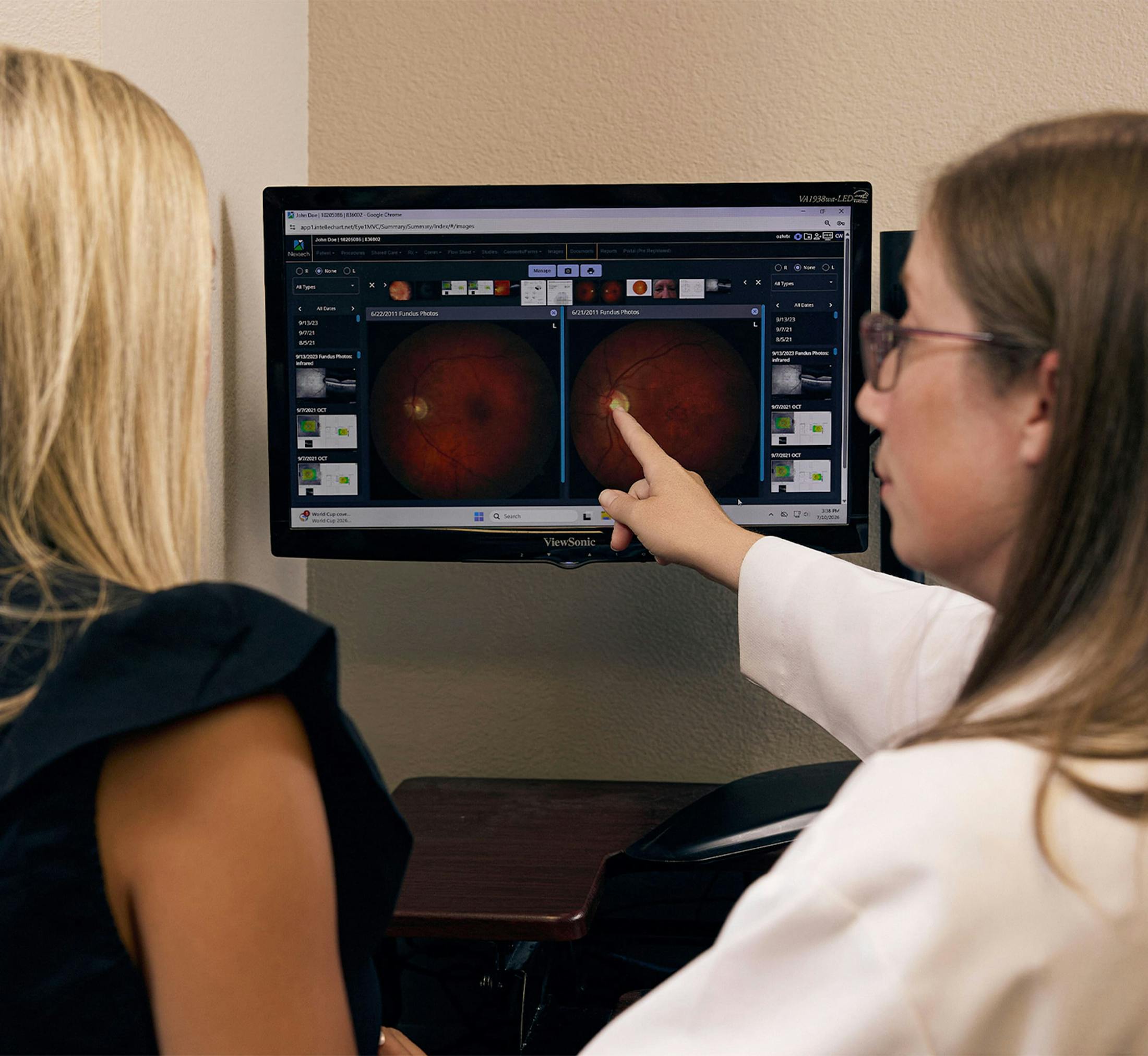
woman and doctor looking at a screen

Stages of Diabetic Retinopathy

  • Mild Nonproliferative: The earliest stage, marked by small areas of swelling in the retina's blood vessels, usually without noticeable vision changes.
  • Moderate to Severe Nonproliferative: Blood vessels become more damaged and blocked, restricting blood flow to a larger portion of the retina.
  • Proliferative Diabetic Retinopathy: The most advanced stage, where the retina grows fragile new blood vessels in response to poor blood flow. These vessels bleed easily and carry a high risk of severe vision loss.

Symptoms to Watch For

Diabetic retinopathy often causes no symptoms until it's fairly advanced. When symptoms do appear, they can include blurred or fluctuating vision, dark spots or streaks floating in your field of view, and difficulty seeing at night. Because symptoms tend to show up late, regular screening is the most reliable way to catch changes early.

Request an Appointment

Contact Us
Contact us media

All the employees who worked with me were very professional and offered great advice. Would recommend this service to all!

Larry Hale

Who's at Risk for Diabetic Retinopathy?

Anyone with type 1 or type 2 diabetes is at risk, and that risk increases the longer someone has lived with diabetes and how well their blood sugar has been controlled over time. Pregnancy, high blood pressure, and high cholesterol can also increase risk, which is why diabetic patients are encouraged to schedule a dilated eye exam at least once a year, even without noticeable symptoms.

Banner media

Treatment Options

  • Anti-VEGF Injections: Medication injected directly into the eye to reduce abnormal blood vessel growth and swelling.
  • Laser Photocoagulation: A targeted laser treatment used to seal leaking blood vessels or shrink abnormal ones.
  • Vitrectomy: A surgical procedure to remove blood or scar tissue from the eye in more advanced cases.
  • Blood Sugar Management: Working closely with your primary care provider or endocrinologist to keep blood sugar levels stable, which remains essential alongside any eye treatment.

Why Routine Screening Matters

Because diabetic retinopathy can progress silently, the biggest factor in preserving vision is often timing. Catching changes in the earliest, mildest stage gives your ophthalmologist the most options and the best chance of preventing permanent vision loss, which is why annual screening is recommended for nearly every patient with diabetes.

Woman smiling | Grassy field | An eye

Why Choose Ophthalmology Associates?

Ophthalmology Associates has provided comprehensive diabetic retinopathy care in Granbury for more than 50 years, led by board-certified, physician-owned retina specialists rather than outside investors. We combine advanced retinal imaging with a full range of treatment options under one roof, catching changes early and coordinating closely with your broader diabetes care team.

Frequently Asked Questions Diabetic Retinopathy

Can diabetic retinopathy be reversed?

Early-stage changes can sometimes stabilize or improve with better blood sugar control, but more advanced damage is generally permanent, which is why early detection matters so much.

Most patients with diabetes should have a dilated eye exam at least once a year, though your ophthalmologist may recommend more frequent visits depending on your retina's condition.

Both types carry a risk of diabetic retinopathy. Type 1 patients often develop it after several years of living with diabetes, while type 2 patients can sometimes have retinal changes present even at diagnosis.

In advanced, untreated cases, yes. This is why routine screening and timely treatment are so important for anyone managing diabetes.

No. It typically causes no pain at any stage, which is part of why symptoms can go unnoticed until vision is already affected.

Consistent blood sugar management significantly lowers your risk and slows progression, but it doesn't guarantee prevention, which is why regular eye exams remain important even for well-controlled diabetes.

textured media

Exceptional Eye Care Starts Here

From routine eye exams to advanced surgical care, our experienced team is here to help you see your best.

Schedule an Appointment
Contact us media
Accessibility: If you are vision-impaired or have some other impairment covered by the Americans with Disabilities Act or a similar law, and you wish to discuss potential accommodations related to using this website, please contact our Accessibility Manager at 817-579-0100.
Contact Us