Cataract Treatment in Granbury: From Diagnosis to Clear Vision

A cataract develops when the eye's natural lens gradually clouds, blurring vision in a way no drop or exercise can reverse. Ophthalmology Associates provides comprehensive cataract treatment in Granbury, guiding patients from their first symptoms through surgery and recovery. Every cataract surgeon on our team takes the time to walk through what to expect at each step, so surgery day never feels like a surprise.

Schedule a cataract evaluation to see how much your vision has changed and what your options are.

What Causes a Cataract?

Cataracts form when proteins in the eye's natural lens break down and clump together over time, most often as a natural part of aging. Other factors, including diabetes, prolonged UV exposure, certain medications, and smoking, can accelerate this process, sometimes leading to cataracts earlier in life than expected.

Banner media
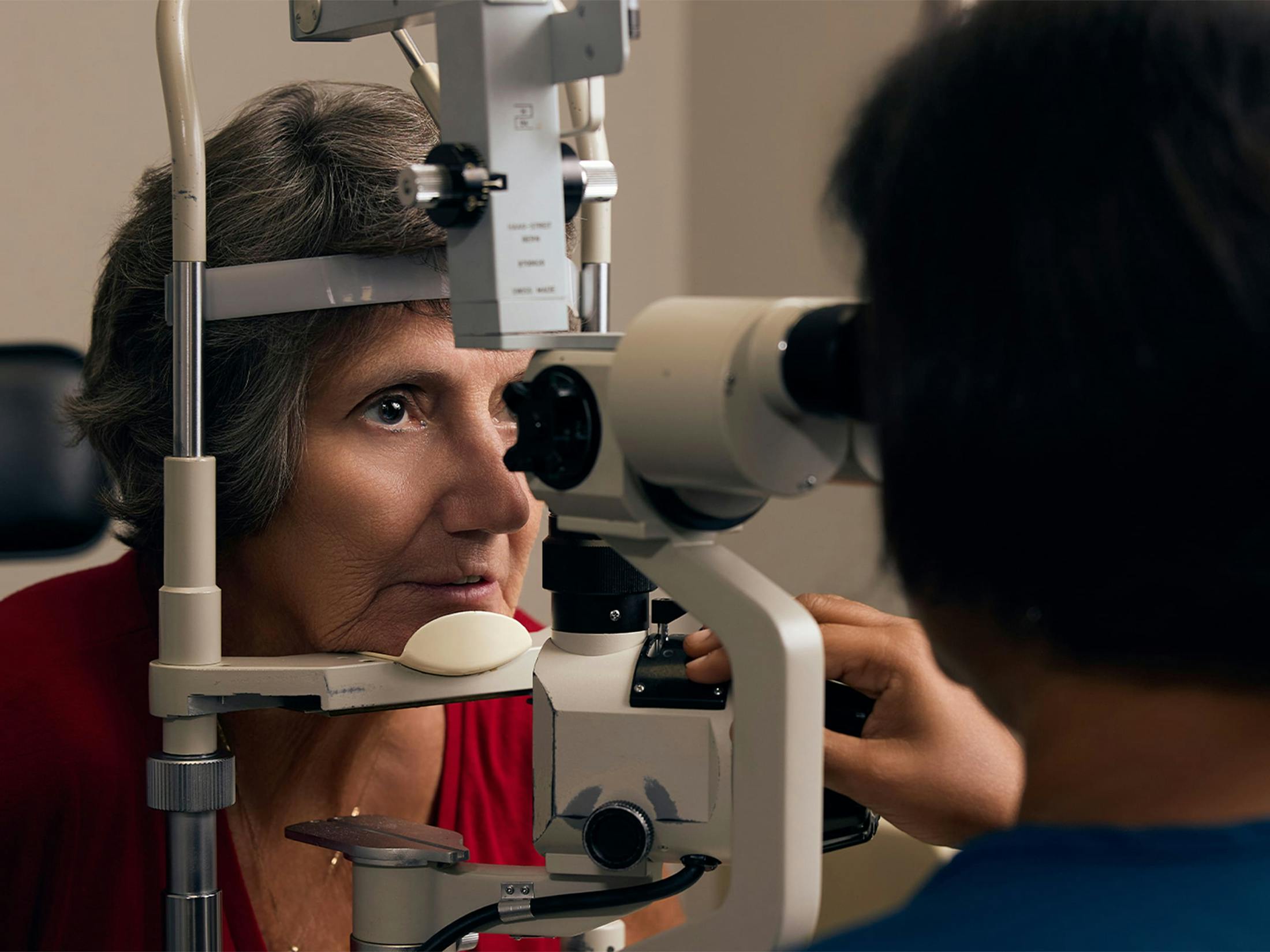
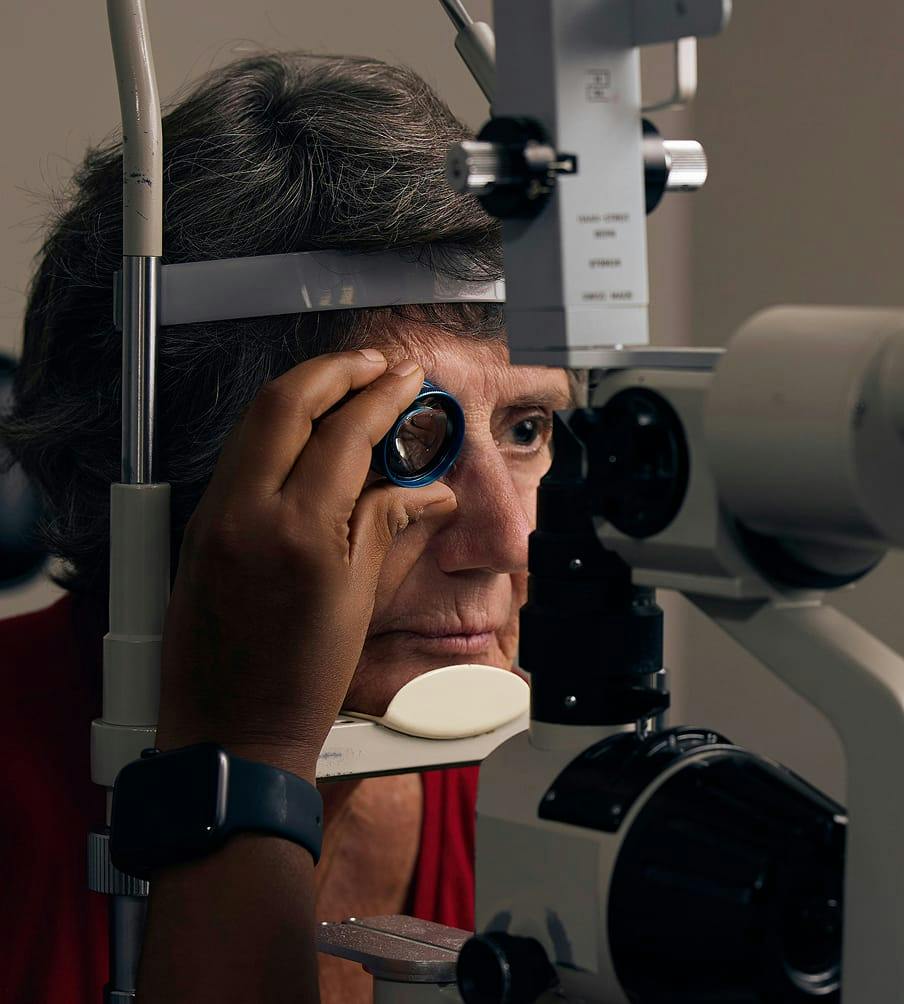
patient during eye exam

Symptoms of a Cataract

  • Cloudy or Blurry Vision: The most common early symptom, often described as looking through a foggy window.
  • Increased Glare Sensitivity: Headlights and bright light becoming noticeably more uncomfortable, especially at night.
  • Fading Colors: Colors appearing dull, yellowed, or less vibrant than they used to.
  • Frequent Prescription Changes: Needing new glasses more often as the cataract progresses.
  • Difficulty with Night Vision: A gradual decline in the ability to see clearly in low light.

How Cataracts Are Diagnosed

A comprehensive eye exam allows your ophthalmologist to examine the lens directly and confirm whether a cataract is present, along with how far it's progressed. This same exam also checks the overall health of your eye, helping rule out other causes of blurred vision before recommending surgery.

Request an Appointment

Contact Us
Contact us media

Fatima and Dr Iyers' team were outstanding. I was in Granbury and saw Dr in her outside Ft Worth office. Equipment is the best, every team member is highly trained and professional, and the doctor spends whatever time it takes for a perfect diagnosis as an ophthalmologist. Give them your business for the most trusted eye care - and you won’t be disappointed.

Ronnie Ridker

The Cataract Surgery Procedure

Cataract surgery in Granbury is typically an outpatient procedure that takes less than 30 minutes per eye. Your surgeon creates a tiny incision, uses gentle ultrasound energy to remove the clouded lens, and replaces it with a new intraocular lens, which unfolds and settles into place immediately. Most patients are surprised by how quick the visible portion of the procedure actually is.

Banner media

Choosing a Lens for Cataract Surgery

Part of your pre-surgery consultation involves choosing which type of intraocular lens fits your eyes and your lifestyle, from standard monofocal lenses to advanced premium options. Our Granbury IOL Technology and Premium Lens Options pages cover these categories in more detail, including which patients tend to be the best candidates for each.

Woman smiling | Grass field | A brown eye

Recovery After Cataract Surgery

Most patients notice improved vision within a day or two, with full stabilization over the following several weeks. You'll use prescription eye drops to control inflammation and prevent infection, and you'll attend a few short follow-up visits so your surgeon can confirm the eye is healing properly.

Who's a Good Candidate for Cataract Surgery?

Cataract surgery is generally recommended once vision changes start interfering with everyday activities like driving, reading, or working. There's no need to wait until a cataract becomes severe, and most healthy adults, regardless of age, are good candidates for the procedure.

Banner media

Why Choose Ophthalmology Associates?

As a trusted cataract surgeon in Granbury, Ophthalmology Associates has performed cataract surgery for North Texas patients for more than 50 years, guided by board-certified, physician-owned ophthalmologists rather than outside investors. We recommend the lens and approach that fits your eyes and your life, never the one that's easiest to sell, and we offer the full range of lens technology under one roof.

Frequently Asked Questions Cataract Treatment

How do I know if I have a cataract?

A comprehensive eye exam is the only reliable way to confirm a cataract, though symptoms like cloudy vision, glare sensitivity, and fading colors are common early signs worth having checked.

Yes, in most cases. Cataract surgery is typically considered medically necessary and covered by insurance, including Medicare, though premium lens upgrades may involve an additional out-of-pocket cost.

The surgery itself typically takes less than 30 minutes per eye, though you should plan for a few hours at our office on the day of your procedure for preparation and recovery time.

No. Once the clouded lens is removed and replaced, it can't develop a cataract again. Some patients later experience a separate, easily treated clouding of tissue behind the lens, which is unrelated to the original cataract.

Yes. Cataract surgery is one of the safest and most commonly performed procedures in medicine and is regularly performed on patients well into their 80s and 90s.

Your surgeon will review your current medications during your consultation and let you know if any adjustments are needed beforehand, particularly for certain blood thinners.

textured media

Exceptional Eye Care Starts Here

From routine eye exams to advanced surgical care, our experienced team is here to help you see your best.

Schedule an Appointment
Contact us media
Accessibility: If you are vision-impaired or have some other impairment covered by the Americans with Disabilities Act or a similar law, and you wish to discuss potential accommodations related to using this website, please contact our Accessibility Manager at 817-579-0100.
Contact Us