Treating a Growth That Develops on the Eye's Surface

A pterygium is a raised, often triangular growth of tissue that forms on the conjunctiva, the clear membrane covering the white of the eye, and can gradually extend onto the cornea itself. It's sometimes called surfer's eye due to its strong association with long-term sun and wind exposure. Ophthalmology Associates evaluates and provides pterygium treatment in Granbury, monitoring smaller growths and surgically removing those that threaten vision or cause ongoing discomfort.

Schedule an evaluation in Granbury if you've noticed a growth or persistent irritation on the surface of your eye.

What Causes a Pterygium?

  • UV Exposure: Long-term exposure to sunlight is the most significant risk factor, particularly without adequate eye protection.
  • Dry, Dusty, or Windy Environments: Frequent exposure to these conditions can irritate the eye's surface and contribute to growth over time.
  • Age: Pterygia become more common with age, reflecting cumulative sun exposure over a lifetime.
  • Genetics: Some patients appear to have a higher genetic predisposition to developing pterygium.

Banner media
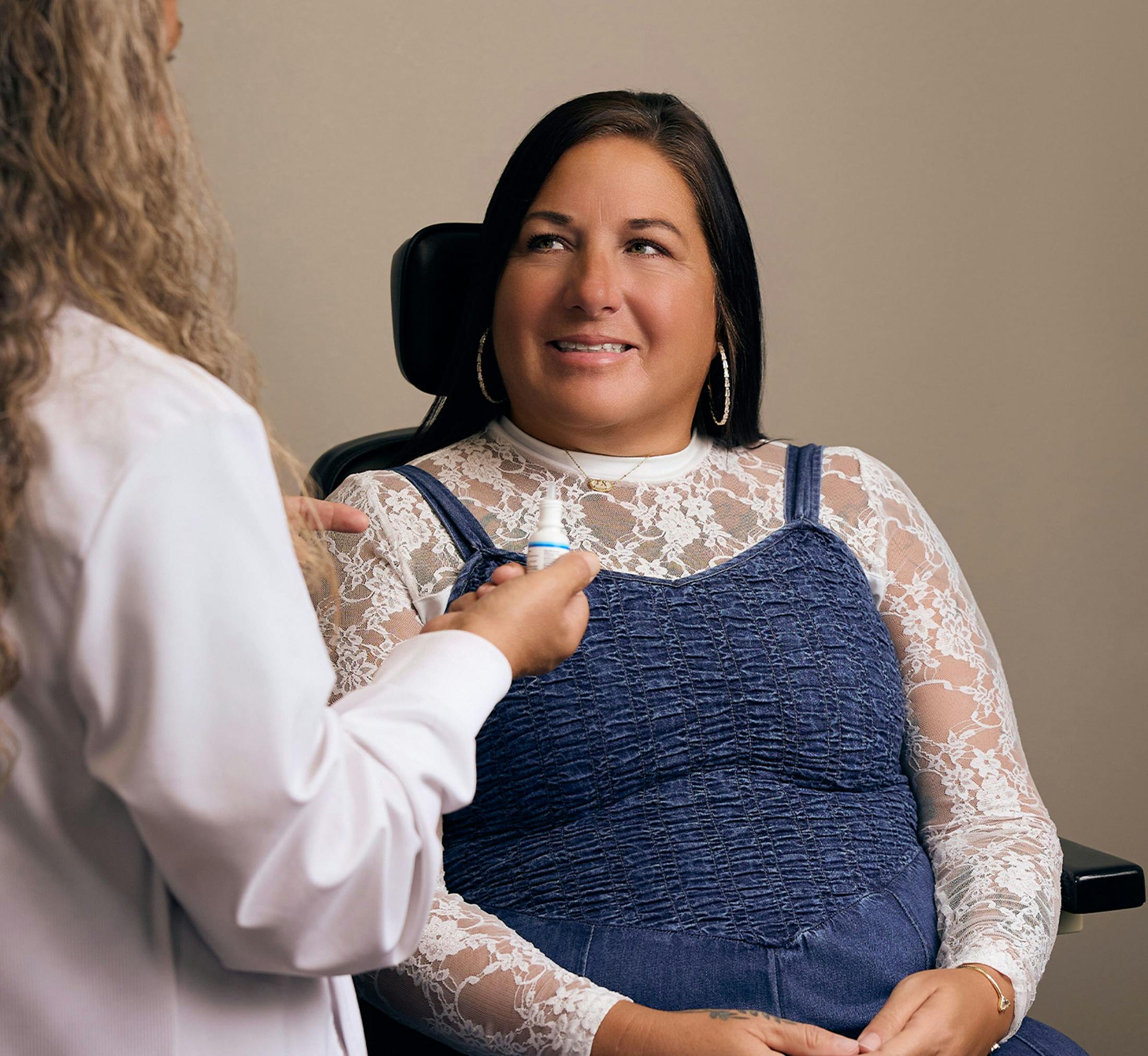
woman and doctor during eye exam

Symptoms of a Pterygium

  • Visible Growth: A raised, often pink or fleshy patch on the white of the eye, sometimes extending toward the cornea.
  • Redness: Ongoing irritation of the tissue surrounding the growth.
  • Grittiness or Irritation: A persistent feeling of something in the eye, similar to dry eye symptoms.
  • Dryness: Reduced tear film stability around the affected area.
  • Blurred Vision: Occurs when the growth extends far enough onto the cornea to interfere with light entering the eye.

How a Pterygium Is Diagnosed

A pterygium is typically diagnosed through a straightforward eye exam, since the growth is visible on the eye's surface. Your ophthalmologist will evaluate its size, how close it is to the center of the cornea, and whether it's affecting your vision or causing significant irritation, all of which help determine the right treatment approach.

Request an Appointment

Contact Us
Contact us media

This is a very well run office. All personnel - doctors, tech, and support staff - are very kind and caring. Wait time is minimal. I would recommend this Ophthalmology Associates office to anyone wanting great eye care.

Judi Raish

Treatment Options

  • Observation: Small, stable pterygia that aren't causing symptoms are often simply monitored over time.
  • Lubricating Drops: Help manage dryness and irritation associated with a smaller growth.
  • Anti-Inflammatory Drops: Used to reduce redness and inflammation during flare-ups.
  • Surgical Removal: Recommended when a pterygium grows large enough to threaten vision, causes persistent discomfort, or affects appearance in a way the patient wants addressed.
Banner media

Who's a Candidate for Pterygium Surgery?

Surgery is generally recommended for pterygia that are growing toward the center of the cornea, causing consistent irritation despite drops, or affecting vision. Patients who are bothered by the growth's appearance may also choose surgical removal, even in cases where it isn't yet affecting vision or comfort.

Woman smiling | Mountains | A brown eye

Preventing a Pterygium

Because UV exposure is the leading risk factor, wearing sunglasses that block UV rays and a wide-brimmed hat outdoors can meaningfully reduce your risk. This is especially important for anyone who spends significant time outdoors for work or recreation, particularly in bright, windy, or dusty conditions.

Why Choose Ophthalmology Associates?

Ophthalmology Associates evaluates and provides pterygium treatment in Granbury, led by board-certified, physician-owned ophthalmologists rather than outside investors. We take a measured approach, monitoring smaller growths and offering surgical removal only when it's genuinely needed, using techniques designed to reduce the chance of recurrence.

Frequently Asked Questions Pterygium Treatment

Is a pterygium cancerous?

No. A pterygium is a benign growth, not a cancerous one, though your ophthalmologist will still monitor it to make sure its appearance and behavior stay consistent with a typical pterygium.

No. A pterygium won't resolve on its own, though small, stable ones often don't require anything beyond monitoring and occasional lubricating drops.

The procedure itself is performed under local anesthesia and is generally not painful. Some mild discomfort or irritation during the first few days of healing is common.

It's possible, particularly without proper post-surgical care or continued UV protection. Modern surgical techniques have significantly reduced recurrence rates compared to older methods.

No. A pterygium is a growth on the eye's surface, while a cataract is clouding of the lens inside the eye. They're unrelated conditions, though both can affect vision.

Wearing UV-blocking sunglasses and a hat during extended time outdoors is the most effective way to reduce your risk, especially in bright, dry, or windy conditions.

textured media

Exceptional Eye Care Starts Here

From routine eye exams to advanced surgical care, our experienced team is here to help you see your best.

Schedule an Appointment
Contact us media
Accessibility: If you are vision-impaired or have some other impairment covered by the Americans with Disabilities Act or a similar law, and you wish to discuss potential accommodations related to using this website, please contact our Accessibility Manager at 817-579-0100.
Contact Us