Pediatric ophthalmology in Granbury focuses on the unique needs of a child's developing visual system, catching and treating conditions like amblyopia, strabismus, and refractive errors during the years when early treatment makes the biggest difference.
Pediatric Ophthalmology in Granbury

Eye Care Built Around a Child's Development
A child's visual system is still developing throughout early childhood, which means many eye conditions are far easier to correct when they're caught early rather than discovered later. Ophthalmology Associates provides pediatric eye care for Granbury families, from routine screenings to treatment for conditions that specifically affect developing vision. Our team takes a gentle, patient approach with young patients, helping families understand exactly what's happening with their child's eyes.
Schedule a pediatric eye exam in Granbury if you have any concerns about your child's vision or eye alignment.

Common Pediatric Eye Conditions
- Amblyopia: Often called lazy eye, this occurs when the brain favors one eye over the other, weakening vision in the less-used eye.
- Strabismus: A misalignment of the eyes that can cause them to point in different directions.
- Refractive Errors: Nearsightedness, farsightedness, and astigmatism are all common in children and can affect learning if left uncorrected.
- Congenital Cataracts: A clouding of the lens present at or shortly after birth, requiring prompt evaluation and sometimes surgery.
- Blocked Tear Ducts: A common condition in infants that can cause persistent watering or discharge, often resolving with simple treatment.

What to Expect During a Pediatric Eye Exam
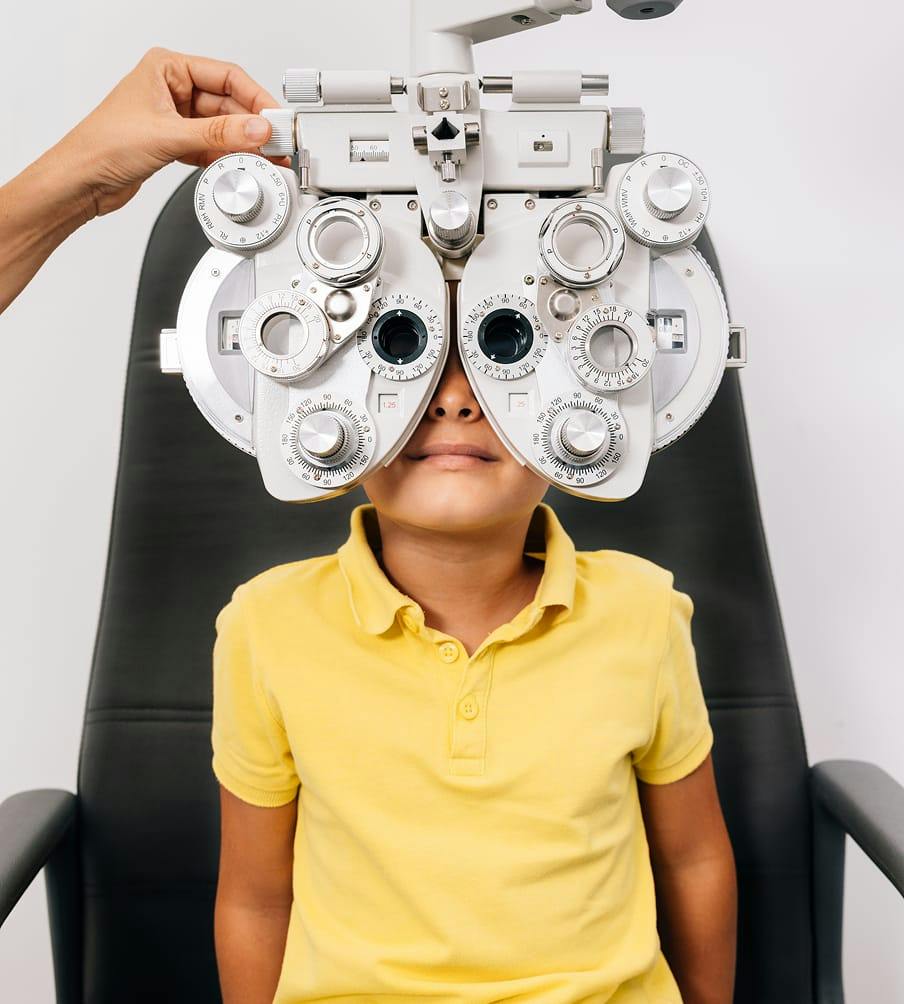
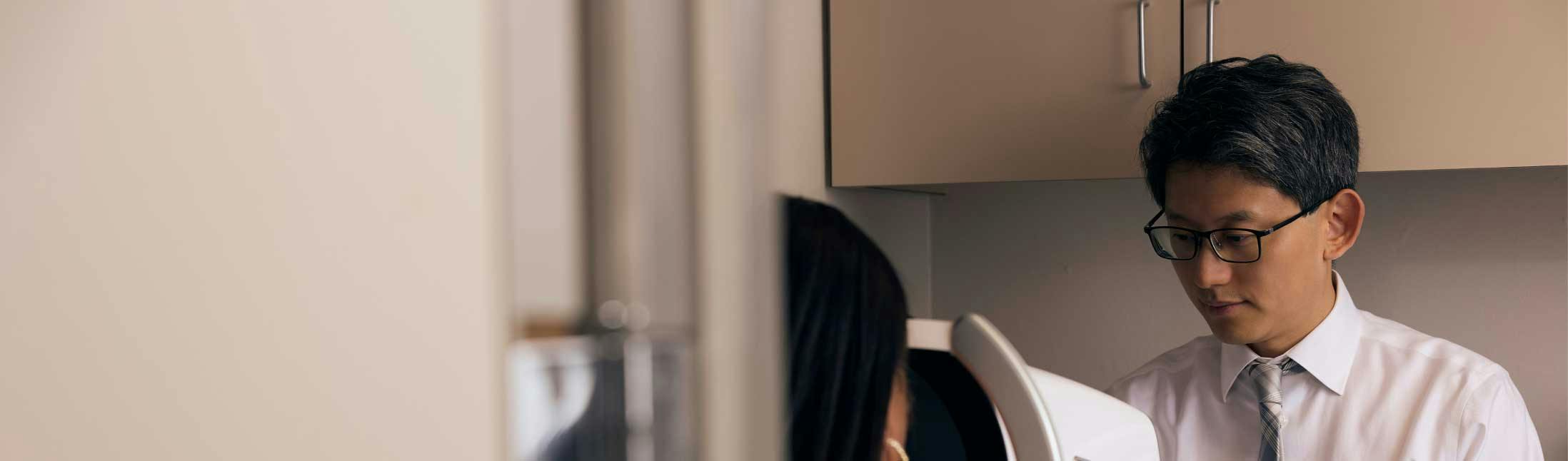
Pediatric exams are designed to be comfortable and age-appropriate, using techniques suited to a child's age and ability to communicate. Rather than relying only on a child's description of their vision, our team uses objective testing methods to evaluate how each eye is functioning, both independently and together.
Frequently Asked Questions Pediatric Ophthalmology
At what age should a child have their first eye exam?
Most children benefit from a first comprehensive eye exam around age three, though your pediatrician may recommend an earlier screening if there's a family history of eye conditions.
Can vision problems affect a child's learning?
Yes. Uncorrected vision problems can make reading, focusing, and classroom work more difficult, which is why catching and treating them early matters for more than just eyesight.
Is it normal for young infants' eyes to occasionally cross?
Some mild, occasional eye drifting can be normal in very young infants, but consistent or worsening misalignment after a few months of age should be evaluated by a pediatric ophthalmologist.
Do all children eventually need glasses?
No. Many children have perfectly healthy vision throughout childhood, while others develop a refractive error at some point. Regular screening helps catch it whenever it does happen.
Can pediatric eye conditions be inherited?
Some can. Conditions like strabismus, amblyopia, and certain refractive errors can run in families, which is why a family eye history is part of every pediatric evaluation.
How can I tell if my child needs glasses if they're too young to describe blurry vision?
Watch for behavioral signs like squinting, sitting close to screens, or eye rubbing, and rely on routine pediatric eye exams, which use objective testing rather than depending on a child's own description.