A Closer Look Built Specifically for Diabetic Patients

A diabetic eye exam goes beyond a standard vision check, focusing specifically on how diabetes may be affecting the blood vessels and tissue inside your eye. Because diabetic eye disease often develops without symptoms, this exam is one of the most important tools for protecting long-term vision in patients managing diabetes. Ophthalmology Associates provides diabetic eye exams in Granbury for patients, working closely with them and their broader care teams to catch changes early. Schedule your diabetic eye exam today, even if your vision currently feels normal.

How a Diabetic Eye Exam Differs from a Routine Exam

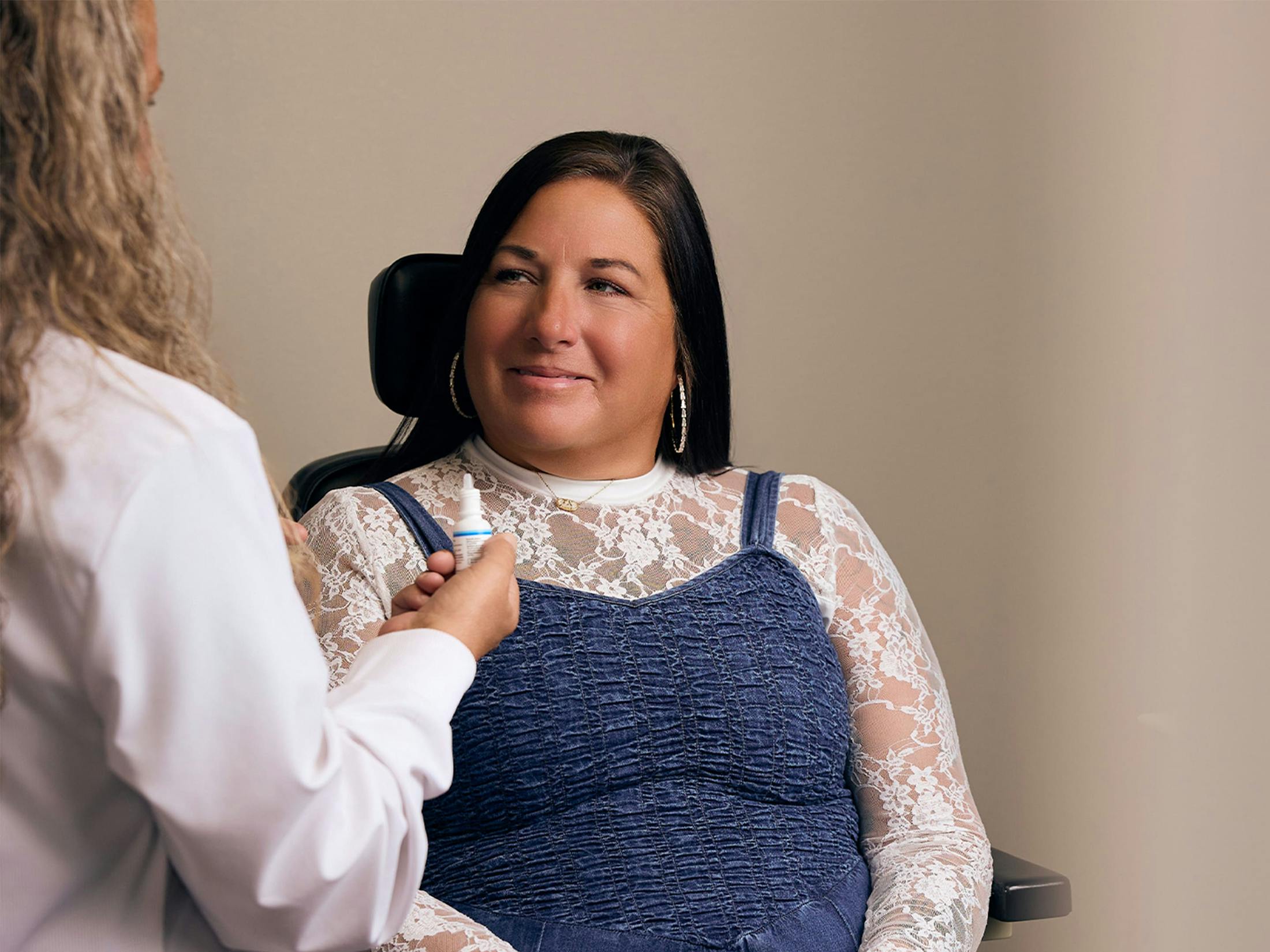
While a routine vision exam checks your general eye health and prescription, a diabetic eye exam is specifically focused on identifying damage caused by high blood sugar, particularly to the retina's blood vessels. Dilation is a standard part of nearly every diabetic eye exam, since it allows your ophthalmologist to examine the retina in far greater detail than a standard exam requires.


Banner media
Woman smiling

What's Included in a Diabetic Eye Exam

  • Dilated Retinal Exam: Widens the pupil so your ophthalmologist can examine the entire retina directly for signs of bleeding, swelling, or abnormal blood vessels.
  • Visual Acuity Testing: Measures how clearly you're seeing at various distances, providing a baseline for comparison at future visits.
  • Eye Pressure Check: Screens for elevated pressure, since diabetes can also increase the risk of glaucoma.
  • Retinal Imaging: Detailed imaging technology captures a precise picture of the retina's layers, allowing subtle changes to be tracked over time.

Who Needs a Diabetic Eye Exam?

Anyone diagnosed with type 1 or type 2 diabetes should have a diabetic eye exam, regardless of how long they've had the condition or how well their blood sugar is currently managed. Pregnant patients with diabetes and those with a recent change in blood sugar control should also prioritize scheduling an exam, since these factors can accelerate changes in the retina.

Request an Appointment

Contact Us
Contact us media

Excellent appointment. She explained my condition and gave me great advice on how to manage my condition! Great record detail. Very friendly and personable. No rushing through.

Thesandra Smith

How Often You Should Be Screened

Most patients with diabetes should have a diabetic eye exam at least once a year, even without any noticeable vision changes. Your ophthalmologist may recommend more frequent visits if early signs of diabetic retinopathy are found, or if your blood sugar has been difficult to manage.

Banner media

What Happens If Changes Are Found

If your diabetic eye exam in Granbury reveals early signs of diabetic retinopathy or other diabetes-related changes, your ophthalmologist will discuss next steps, which may include more frequent monitoring or starting treatment tailored to your specific case.

Woman smiling | Purple flowers | An eye

Preparing for Your Exam

Because your pupils will likely be dilated, plan to bring sunglasses for the ride home, as your eyes will be more sensitive to light for a few hours afterward. Arranging a ride, while not always necessary, can make the rest of your day more comfortable if bright light and close-up focusing feel difficult right after your appointment.

Why Choose Ophthalmology Associates?

Ophthalmology Associates provides diabetic eye exams in Granbury, led by board-certified, physician-owned ophthalmologists rather than outside investors. We combine detailed retinal imaging with a thorough dilated exam at every visit, working to catch diabetes-related changes as early as possible and coordinating care with your broader diabetes management team.

Frequently Asked Questions Diabetic Eye Exams

Does a diabetic eye exam hurt?

No. The exam itself is painless, though dilation eye drops can cause temporary stinging and light sensitivity that fades within a few hours.

Many patients can, but your vision may be blurry and light-sensitive for a few hours. If you're unsure how you'll feel, arranging a ride is a reasonable precaution.

Yes. Diabetic eye disease often causes no symptoms in its early stages, which is exactly why the exam is recommended annually regardless of how your vision currently feels.

Yes. Your primary care provider manages your overall diabetes care, but a diabetic eye exam requires specialized equipment and a dilated view of the retina that only an eye care provider can perform.

Most medical insurance plans, including Medicare, cover diabetic eye exams as a medically necessary service. Our team can help verify your specific coverage before your visit.

Your ophthalmologist will explain the stage of any changes found and recommend a treatment or monitoring plan tailored to your specific case, ranging from closer follow-up to active treatment.

textured media

Exceptional Eye Care Starts Here

From routine eye exams to advanced surgical care, our experienced team is here to help you see your best.

Schedule an Appointment
Contact us media
Accessibility: If you are vision-impaired or have some other impairment covered by the Americans with Disabilities Act or a similar law, and you wish to discuss potential accommodations related to using this website, please contact our Accessibility Manager at 817-579-0100.
Contact Us