
Understanding Floaters, Flashes, and When They Signal a Problem

Floaters and flashes are two of the most common visual symptoms patients ask about, and while they're frequently nothing more than a normal part of the eye's aging process, they can occasionally point to something more serious. Ophthalmology Associates evaluates floaters and flashes, providing eye floater treatment in Weatherford, distinguishing between harmless changes and the rare cases that require urgent care to protect your retina.

If you notice a sudden increase in floaters or flashes, contact our Weatherford office right away for a same-day evaluation.

What Are Floaters?

Floaters are small specks, threads, or cobweb-like shapes that drift across your field of vision, often more noticeable against a plain background like a bright sky or blank wall. They're caused by tiny clumps of protein or cell debris inside the vitreous, the gel-like substance that fills the eye.

What Are Flashes?

Flashes appear as brief streaks or sparks of light, often in your peripheral vision. They typically occur when the vitreous tugs on the retina, stimulating it in a way that the brain interprets as light, even though no actual light is involved.

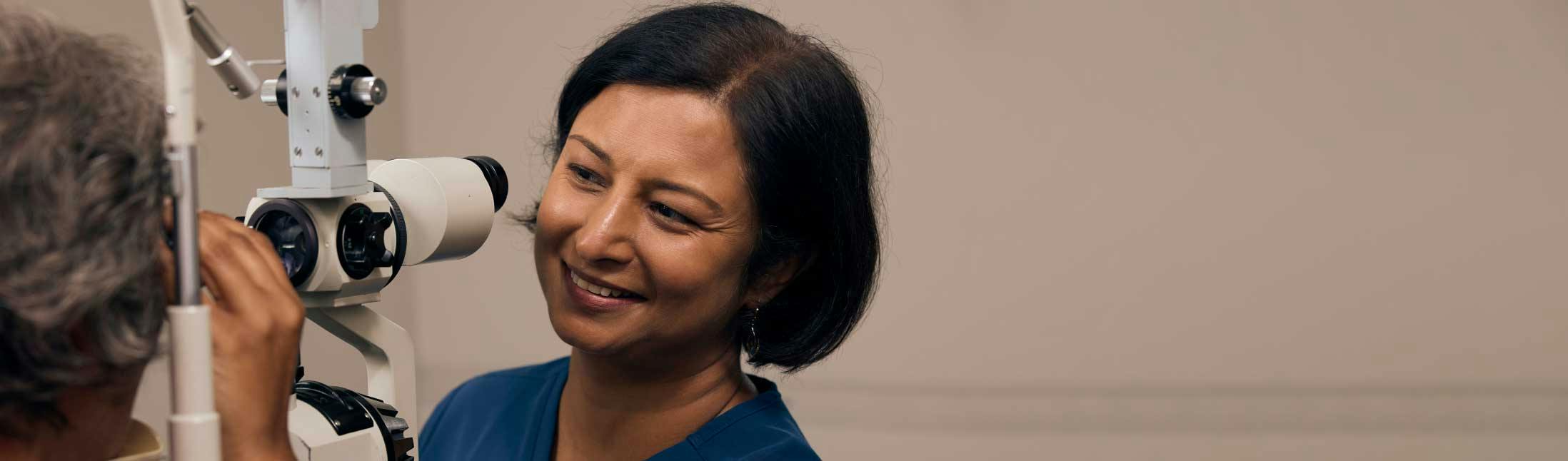
Woman smiling

Common Causes

  • Posterior Vitreous Detachment (PVD): As the vitreous naturally shrinks with age, it can pull away from the retina, which is the most common cause of new floaters and flashes.
  • Retinal Tears or Detachment: In some cases, that same pulling can tear the retina, allowing fluid to collect underneath it and putting vision at serious risk.
  • Eye Inflammation or Bleeding: Inflammatory conditions or bleeding inside the eye can also introduce new floaters.
  • Migraines: Some patients experience flashes of light as part of a migraine, even without a headache, related to changes in the brain rather than the eye itself.

When Floaters and Flashes Are an Emergency

Occasional floaters, especially ones you've had for years, are rarely a concern. A sudden increase in floaters, new flashes of light, or a dark curtain or shadow moving across your vision, however, can signal a retinal tear or detachment. These symptoms need to be evaluated the same day, since a detached retina can cause permanent vision loss if treatment is delayed.

Request an Appointment

Contact Us
Contact us media

The staff and Dr. Guardiola were so nice and explained everything they were doing. I’ll give them a five star rating!

Elizabeth

How Floaters and Flashes Are Diagnosed

A dilated eye exam allows your ophthalmologist to examine the retina and vitreous directly, checking for any tears, detachment, or bleeding.

Imaging technology may also be used to get a more detailed look at the retina's condition, especially if symptoms first appeared suddenly.

Logo media

Treatment Options

  • Observation: Most floaters related to normal vitreous changes require no treatment and become less noticeable over time as the brain adjusts.
  • Laser Vitreolysis: For large, persistent floaters that interfere with daily vision, a laser treatment can break them into smaller, less noticeable pieces.
  • Laser or Cryotherapy for Retinal Tears: A tear discovered early can often be sealed in the office with a laser or freezing treatment, preventing it from progressing to a full detachment.
  • Vitrectomy: In more advanced cases, surgery may be needed to remove the vitreous and repair a detached retina.
woman smiling | city in the distance | close up of a person's eye

Who Should Be Concerned About Floaters and Flashes?

Anyone can develop floaters, but they become more common with age, after cataract surgery, or in patients who are significantly nearsighted. These groups carry a somewhat higher risk of retinal tears as well, which is why any sudden change in symptoms deserves prompt attention regardless of your age or eye history.

Why Choose Ophthalmology Associates?

Ophthalmology Associates offers expert eye floater treatment in Weatherford with the urgency they sometimes require, led by board-certified, physician-owned retina specialists rather than outside investors. We're equipped to distinguish harmless changes from true emergencies quickly, and to treat retinal tears or detachments in-house before they threaten your vision.

Background media

Floaters & Flashes Frequently Asked Questions

Are floaters normal as I get older?

Yes, in most cases. Floaters become more common with age as the vitreous naturally changes, and long-standing floaters without any sudden change are rarely a concern.

They often become less noticeable over time as your brain adjusts to them, even though the debris causing them typically remains in the eye.

If you notice a sudden increase in floaters, new flashes, or a shadow across your vision, contact our office immediately for a same-day evaluation rather than waiting for a routine appointment.

In select cases, yes. Laser vitreolysis can reduce large, persistent floaters that interfere with daily vision, even when they aren't a sign of a deeper problem.

Not always. Flashes can be related to normal vitreous changes or even migraines, but any new or sudden flashes should still be evaluated to rule out a retinal tear.

There's no guaranteed way to prevent them, since most are related to normal aging changes in the eye, but routine eye exams help catch any related retinal issues early.

textured media

Exceptional Eye Care Starts Here

From routine eye exams to advanced surgical care, our experienced team is here to help you see your best.

Schedule an Appointment
Contact us media
Accessibility: If you are vision-impaired or have some other impairment covered by the Americans with Disabilities Act or a similar law, and you wish to discuss potential accommodations related to using this website, please contact our Accessibility Manager at 817-594-9500.
Contact Us