A Closer Look at IOL Surgery in Weatherford

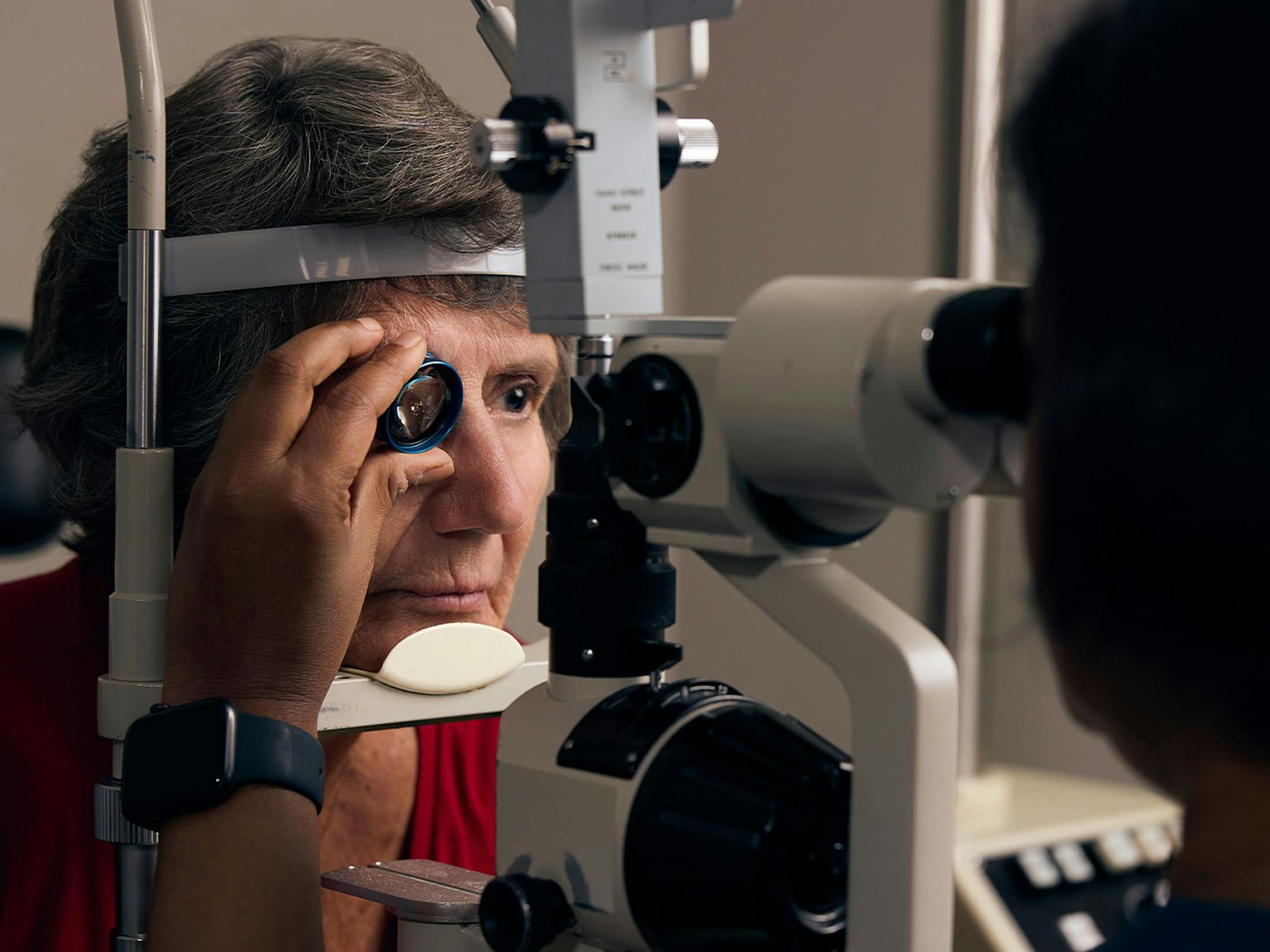
Once a cataract clouds the eye's natural lens, no drop or medication can clear it. The only way to restore clear vision is IOL surgery in Weatherford, removing that clouded lens and replacing it with an artificial one. That new lens, the intraocular lens, becomes a permanent part of your eye, working alongside your cornea to focus light onto the retina. Our ophthalmologists walk you through which lens fits your eyes, your daily routine, and your vision goals.

Schedule a cataract evaluation to find out which intraocular lens fits how you live, work, and see.

Man smiling

What an Intraocular Lens Does

An IOL is a small, clear, artificial lens made from acrylic or silicone, designed to sit in the exact spot where your natural lens used to be. Unlike a contact lens, you won't feel it, see it, or need to clean it. Once it's in place, it becomes a fixed part of your eye's focusing system, permanently.


How the Lens Is Placed

Cataract surgery is typically an outpatient procedure that takes less than 30 minutes per eye. Your surgeon creates a tiny incision, uses gentle ultrasound energy to remove the clouded natural lens, and folds the new IOL so it can be inserted through that same small opening. Once inside the eye, the lens unfolds and settles into position, where it stays for life.

Request an Appointment

Contact Us
Contact us media

The people were very nice and pleasant to deal with. The staff was very proficient at what they did, while taking the time to make sure we had all our questions answered. We were in and out very quickly. After having moved to the area and seeing a different eye doctor last year (had a bad experience) we tried this one out and have found our permanent eye doctor in Weatherford.

Michael B. Duffy

Types of Intraocular Lenses

  • Monofocal Lenses: The most commonly used IOL, set to provide clear focus at one distance, usually far away, with reading glasses used for close-up tasks.
  • Toric Lenses: Designed for patients with astigmatism, an irregularly shaped cornea that causes blurred or distorted vision at every distance.
  • Multifocal Lenses: A multifocal IOL in Weatherford is built with multiple focusing zones in a single lens, allowing many patients to reduce their dependence on glasses at more than one distance.
Logo media

What to Expect During Recovery

Most patients notice improved vision within a day or two, with full stabilization over the following several weeks. You'll use prescription eye drops to control inflammation and prevent infection, and you'll attend a few short follow-up visits so your surgeon can confirm the eye is healing properly.

Woman smiling | a field | an eye

Choosing the Right Lens for You

The right lens depends on more than your prescription. Your surgeon will factor in your corneal shape, your eye health, your hobbies, and how you feel about wearing glasses after surgery.

This is why lens selection happens well before surgery day, during a dedicated conversation with your ophthalmologist rather than a rushed decision at the last minute.

Why Choose Ophthalmology Associates?

Ophthalmology Associates has performed cataract surgery with intraocular lenses in Weatherford for more than 50 years, guided by board-certified, physician-owned ophthalmologists rather than outside investors. We recommend the lens that fits your eyes and your life, never the one that's easiest to sell, and we offer the full range of lens options under one roof, from standard monofocal implants to advanced multifocal lenses.

Background media

IOL Technology Frequently Asked Questions

Will my insurance cover the cost of an intraocular lens?

Standard monofocal IOLs used for medically necessary cataract surgery are typically covered by insurance, including Medicare. Premium lens upgrades usually involve an out-of-pocket cost, which our team can review with you before surgery.

IOLs are designed to last a lifetime. They don't wear out, cloud over, or need to be replaced under normal circumstances.

No. The IOL sits inside the eye itself, not on its surface, so you won't feel it or be aware of it once healing is complete.

It depends on the lens type. Monofocal lenses typically still require reading glasses for close-up tasks, while a multifocal or other premium lens is designed to reduce the need for glasses at multiple distances.

In rare cases, yes. If a lens isn't providing the expected vision or a patient's needs change significantly, a lens exchange procedure is possible, though it's uncommon.

No. Placing the intraocular lens is part of cataract surgery itself, not a separate procedure. The two happen in the same operation.

textured media

Exceptional Eye Care Starts Here

From routine eye exams to advanced surgical care, our experienced team is here to help you see your best.

Schedule an Appointment
Contact us media
Accessibility: If you are vision-impaired or have some other impairment covered by the Americans with Disabilities Act or a similar law, and you wish to discuss potential accommodations related to using this website, please contact our Accessibility Manager at 817-594-9500.
Contact Us