
Catching a Development Issue Before It Becomes Permanent

Amblyopia occurs when the brain, for one of several reasons, begins to rely more heavily on one eye, gradually weakening vision in the other. Because a child's visual system is still developing, the brain effectively learns to ignore signals from the weaker eye, and if left uncorrected, that weakened vision can become permanent. The amblyopia doctors at Ophthalmology Associates screen for and provide Amblyopia treatment in Weatherford, working within the critical early window when treatment is most effective.

Schedule a pediatric eye exam in Weatherford if you've noticed your child squinting, tilting their head, or favoring one eye.

Kid smiling

What Causes Amblyopia?

  • Strabismus: Misaligned eyes can cause the brain to suppress input from one eye to avoid double vision.
  • Refractive Errors: A significant difference in prescription between the two eyes, called anisometropia, can lead the brain to favor the eye with clearer vision.
  • Deprivation: A physical obstruction, such as a childhood cataract or a drooping eyelid, can block clear vision in one eye during a critical developmental period.

Symptoms to Watch For

  • Squinting or Closing One Eye: Often a sign a child is compensating for weaker vision in the other eye.
  • Head Tilting: A learned habit some children develop to improve alignment or focus.
  • Poor Depth Perception: Difficulty judging distances, which can show up as clumsiness or trouble catching a ball.
  • One Eye Wandering: A visible sign that the eyes aren't working together properly.
  • Difficulty with Detailed Tasks: Struggling with tasks that require strong depth perception or fine visual focus.
Banner media

How Amblyopia Is Diagnosed

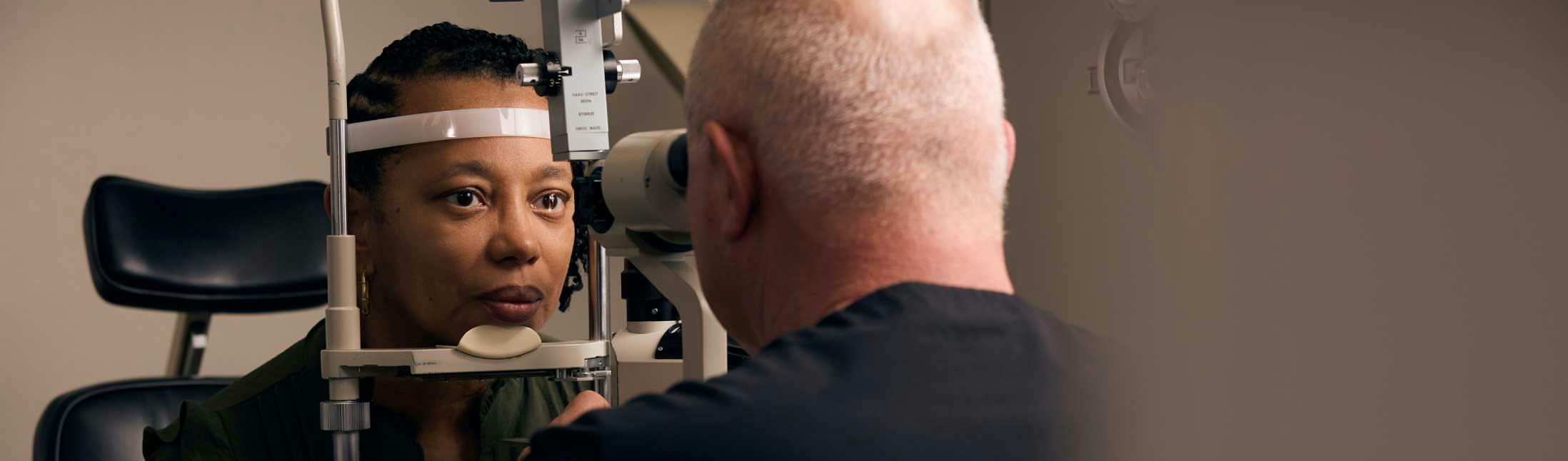
Amblyopia is typically identified during a comprehensive pediatric eye exam, which checks each eye's vision individually rather than relying on how a child performs with both eyes open.

Because young children often can't describe vision problems themselves, routine screening plays a major role in catching amblyopia before a parent might otherwise notice anything unusual.

Request an Appointment

Contact Us
Contact us media

I like the way they are so friendly, and I never have to wait long to see the doctor. She takes her time, explaining things as we go through the exam. Would recommend this office to anyone.

Beverly McDowell

Treatment Options

  • Corrective Glasses: Often the first step, correcting any refractive error that may be contributing to unequal vision between the eyes.
  • Patching Therapy: Covering the stronger eye for a set period each day, forcing the brain to rely on and strengthen the weaker eye.
  • Atropine Eye Drops: An alternative to patching that temporarily blurs vision in the stronger eye to encourage use of the weaker one.
  • Treating the Underlying Cause: Addressing issues like a childhood cataract or drooping eyelid directly, when deprivation is the root cause.
Logo media

Why Early Treatment Matters

A child's visual system develops most rapidly in the first several years of life, and that window is when treatment for amblyopia is most effective. The longer amblyopia goes untreated, the harder it becomes to improve vision in the weaker eye, which is why early detection through routine screening is so important.

Woman smiling | Canyons | An eye

Who Needs to Be Screened for Amblyopia?

All children should have their vision screened at routine developmental checkups, even if nothing seems obviously wrong. Children with a family history of amblyopia or strabismus, or those born prematurely, may benefit from an earlier or more thorough evaluation with a pediatric ophthalmologist.

Why Choose Ophthalmology Associates?

At Ophthalmology Associates, our team of Amblyopia doctors in Weatherford is led by board-certified, physician-owned pediatric ophthalmologists rather than outside investors. We take a patient, family-centered approach with young patients, working within the critical developmental window to give every child the strongest possible vision in both eyes.

Background media

Amblyopia Frequently Asked Questions

Can amblyopia be treated in adults?

Treatment is far more effective during childhood, while the visual system is still developing. Some improvement may still be possible in adults, but results are generally more limited.

No. Amblyopia requires active treatment, such as patching or corrective lenses, to strengthen the weaker eye. Left untreated, the vision difference typically persists into adulthood.

No, though they're related. Strabismus refers to misaligned eyes, while amblyopia refers to reduced vision in one eye, which strabismus can sometimes cause.

It varies by child and severity, but many children show noticeable improvement within a few months of consistent patching, with treatment sometimes continuing longer to maintain results.

Yes, in some cases, particularly if treatment is stopped too early. Your pediatric ophthalmologist will typically recommend a maintenance plan to help prevent regression.

Not necessarily. Some children continue needing glasses long term for an underlying refractive error, while others may need them only temporarily during treatment.

textured media

Exceptional Eye Care Starts Here

From routine eye exams to advanced surgical care, our experienced team is here to help you see your best.

Schedule an Appointment
Contact us media
Accessibility: If you are vision-impaired or have some other impairment covered by the Americans with Disabilities Act or a similar law, and you wish to discuss potential accommodations related to using this website, please contact our Accessibility Manager at 817-594-9500.
Contact Us