Protecting Your Vision From a Disease You Can't Feel

Glaucoma is most often linked to elevated pressure inside the eye, gradually damaging the optic nerve fibers responsible for carrying visual information to the brain. Because it typically progresses without pain or noticeable symptoms until vision loss is already advanced, routine screening is often the only way to catch it early. A glaucoma specialist at Ophthalmology Associates has diagnosed and provided glaucoma treatment in Weatherford, combining regular monitoring with a full range of treatment options to protect your vision for the long term.

Schedule a glaucoma screening in Weatherford to check your eye pressure and optic nerve health before symptoms ever start.

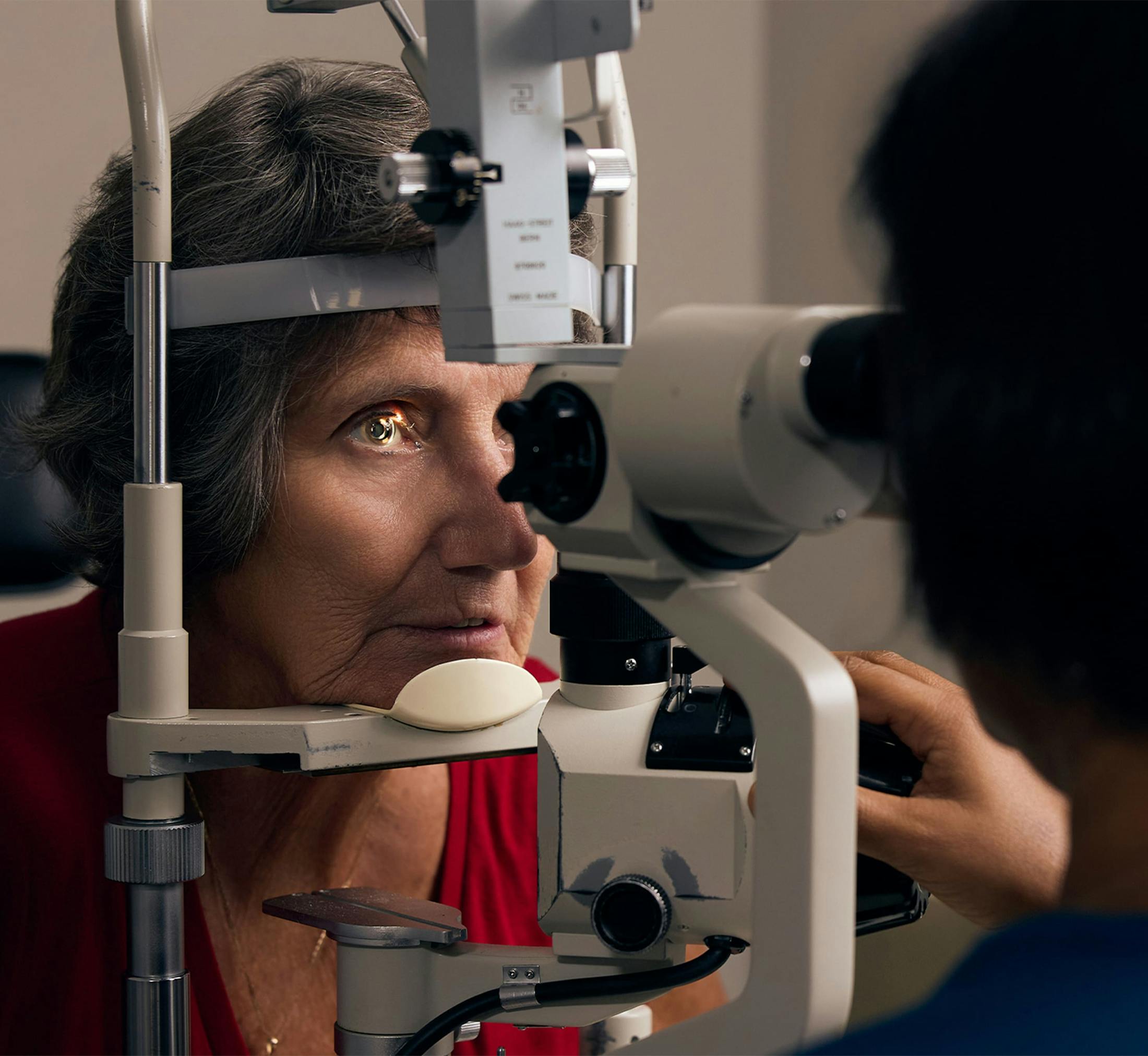
woman and doctor during eye exam

What Causes Glaucoma?

Glaucoma is most often linked to a buildup of fluid pressure inside the eye, called intraocular pressure, which gradually damages the optic nerve fibers responsible for carrying visual information to the brain. Once those fibers are damaged, the resulting vision loss can't be reversed, which is why early detection and consistent treatment matter so much.


Types of Glaucoma

  • Open-Angle Glaucoma: The most common form, developing slowly as drainage channels in the eye gradually become less efficient over time.
  • Angle-Closure Glaucoma: A less common but more urgent form, occurring when the eye's drainage angle becomes blocked, sometimes causing a sudden spike in pressure.
  • Normal-Tension Glaucoma: Optic nerve damage that occurs even when eye pressure stays within a normal range, making regular optic nerve evaluation essential.
  • Congenital Glaucoma: A rare form present at birth, caused by improper development of the eye's drainage system.
Banner media

How Glaucoma Is Diagnosed

Because glaucoma rarely causes early symptoms, diagnosis depends on a thorough eye exam rather than how your vision feels day to day.

Our ophthalmologists measure your eye pressure, examine the optic nerve directly, and use imaging technology to track its health over time.

A visual field test may also be used to check for any subtle blind spots that can signal early nerve damage.

Request an Appointment

Contact Us
Contact us media

It’s efficient and timely whenever I go for an appointment. The staff is friendly and cares for your comfort. Dr. Roberts is excellent, takes the time to explain things on your level, and time is given for questions or concerns. I have been going there for several years.

Michelle Cook

Who's at Risk for Glaucoma?

Certain factors increase your likelihood of developing glaucoma, which is why regular screening becomes more important as you age.

Risk increases for adults over 60, individuals with a family history of glaucoma, those of African American or Hispanic descent, and patients with naturally high eye pressure or thin corneas.

Logo media

Glaucoma Surgery and Treatment Options

  • Prescription Eye Drops: Often the first line of treatment, used daily to reduce fluid production or improve drainage.
  • Laser Therapy: A quick, in-office procedure that improves the eye's natural drainage system, often reducing or delaying the need for eye drops.
  • Minimally Invasive Glaucoma Surgery (MIGS): A newer category of procedures, often combined with cataract surgery, that uses tiny devices to improve drainage with a faster recovery than traditional surgery.
  • Traditional Glaucoma Surgery: Reserved for more advanced cases, this creates a new drainage pathway to lower eye pressure when other treatments aren't enough.
Woman smiling | Grassy field | An eye

Living With Glaucoma

Glaucoma is a lifelong condition, not a one-time fix, so ongoing management is a core part of treatment. Once you're diagnosed, you'll have regular follow-up visits to track your eye pressure and optic nerve health, allowing your ophthalmologist to adjust your treatment plan as needed.

Why Choose Ophthalmology Associates?

As trusted glaucoma specialists in Weatherford, Ophthalmology Associates has diagnosed and treated glaucoma for North Texas patients for more than 50 years, led by board-certified, physician-owned ophthalmologists rather than outside investors. We take a proactive, patient-first approach to glaucoma care, from routine screening through advanced surgical treatment, all under one roof.

Background media

Glaucoma Treatment Frequently Asked Questions

Can glaucoma be cured?

No. Glaucoma has no cure, but with early detection and consistent treatment, its progression can usually be slowed or stopped, preserving the vision you have.

Genetics can play a role. Having a parent or sibling with glaucoma increases your own risk, which is why family history is part of every screening conversation.

Most adults should have a baseline glaucoma screening by age 40, with more frequent exams as you age or if you have risk factors. Your ophthalmologist can recommend a schedule based on your individual risk.

Left untreated, glaucoma can progress to significant vision loss and, in severe cases, blindness, which is why routine screening and early treatment are so important.

Eye pressure can rise again over time even after successful surgery, which is why ongoing monitoring remains necessary even for patients who've had a procedure.

Glaucoma treatment addresses eye pressure and optic nerve health, not your prescription, so you may still need glasses or contacts for clear vision separately.

textured media

Exceptional Eye Care Starts Here

From routine eye exams to advanced surgical care, our experienced team is here to help you see your best.

Schedule an Appointment
Contact us media
Accessibility: If you are vision-impaired or have some other impairment covered by the Americans with Disabilities Act or a similar law, and you wish to discuss potential accommodations related to using this website, please contact our Accessibility Manager at 817-594-9500.
Contact Us