

Exceptional Eye Care Starts Here
From routine eye exams to advanced surgical care, our experienced team is here to help you see your best.
Schedule an Appointment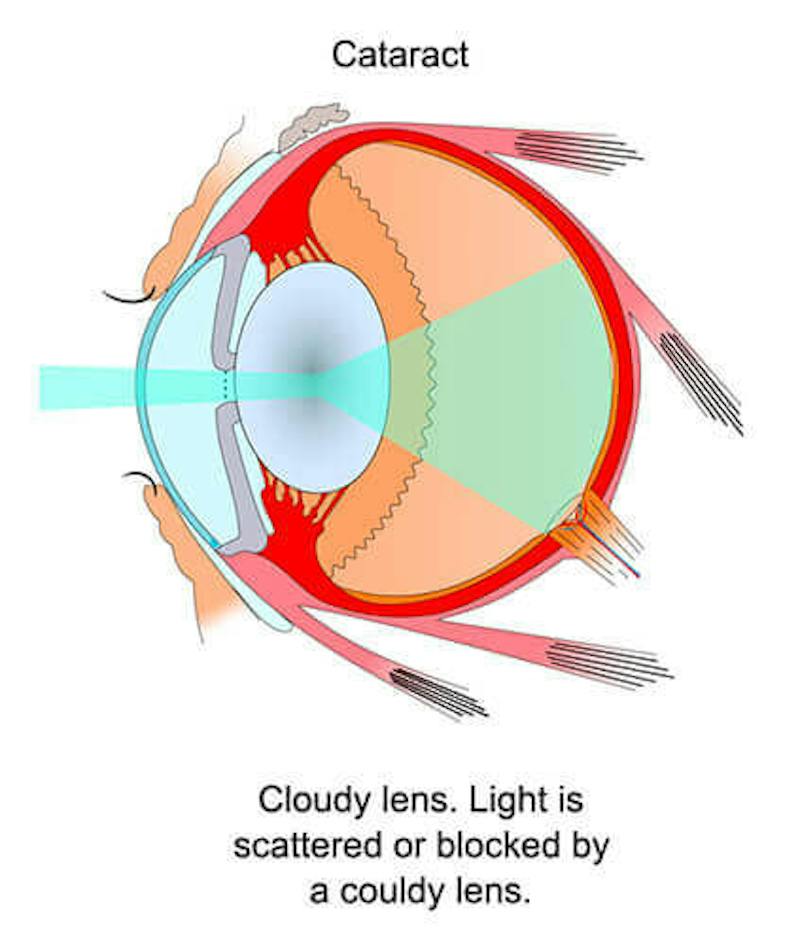
Cataracts are a common eye condition that mainly affects us as we gain wisdom and advance through life.
A cataract forms when the naturally clear lens in the eye becomes hazy. It can lead to blurred vision, difficulty seeing in dim light, glare sensitivity, and faded colors. Although treating cataracts is not generally considered an emergency, they can negatively impact the quality of life.
Cataract surgery is one of the most common surgical procedures performed today. The procedure is relatively simple: out with the old cloudy lens and in with a crystal clear lens implant.
While a skilled surgeon is a critical step in a successful surgical experience, of equal importance is choosing the correct intraocular lens to be implanted. Different types of lens implants offer different types of vision correction. Each lens implant has its advantages and disadvantages.
Cataract lens implants, also known as intraocular lenses (IOLs), are lenses made in a factory that are surgically implanted in the eye to replace the clouded natural lens.
Designed to restore clarity to vision, these lenses can also significantly reduce the reliance on glasses or contact lenses after surgery.
Thanks to new technological advances, patients now have a wider range of cataract surgery lens implant options beyond traditional monofocal lenses, allowing for greater customization to meet specific visual requirements.
Monofocal lenses are the most common form of IOLs used in cataract surgery. These lenses are intended to give the best vision possible with the use of glasses such as bifocals or trifocals after cataract surgery. Although many patients will experience excellent uncorrected vision and only need readers, this is not the expectation with a monofocal IOL. This lens is perfect for the patient who would not be unhappy wearing glasses after surgery.
The monofocal IOL is the recommended implant in patients who have other underlying diseases of the eye (such as macular degeneration, corneal scarring, or optic nerve damage).
It also works well for individuals with good overall eye health and low levels of astigmatism.
Multifocal lenses are designed to correct vision at multiple distances.
By integrating different lens powers into a single IOL, dependence on glasses or contact lenses is eliminated or significantly reduced after cataract surgery.
In a multifocal lens, light is distributed across multiple focal points as it enters the eye. This enables the retina to receive images from various distances simultaneously for a more natural range of vision without the need for additional correction.
Compared to monofocal lenses, there are advantages and disadvantages of multifocal lenses:
Here are a few considerations before choosing to go for multifocal lenses:
Toric lenses are a specialized type of IOL designed to correct astigmatism and improve vision at a distance.
People with astigmatism have blurred or distorted vision caused by a symmetric but irregular cornea curvature.
Because toric lenses have different powers in different meridians of the lens, this corrects the prescription and provides clearer, sharper vision.
Patients who may consider this cataract lens type will need to consider the following benefits and limitations:
When it comes to the best candidates for toric lenses, these are individuals who:
EDOF lenses are the newest type of IOLs designed to provide a continuous range of high-quality vision for patients undergoing cataract surgery.
Unlike traditional monofocal IOLs that provide clear vision at a single distance, an EDOF lens extends the range of clear vision, offering a broader focus without the need to wear prescription glasses while minimizing issues like halos and glare.
While EDOF lenses offer a balanced and extended range of vision, patients seeking this type of vision correction solution need to consider the following:
Choosing the right lens implant is a critical decision that can significantly impact your quality of life. It requires a thorough discussion with your ophthalmologist about the important factors that will affect your choice, such as:
Your occupation, hobbies, reading habits, and digital device usage greatly influence your lens choice. Patients with active lifestyles or those who prioritize freedom from glasses may benefit from multifocal lenses that provide enhanced visual capabilities at multiple distances.
What are your goals and visual outcome preferences? Some prioritize clear vision at certain distances, while others want to be free from wearing glasses for daily activities.
Your eye doctor will be able to provide realistic expectations which will help you choose the best lens for your goals.
Your current eye health, including pre-existing eye conditions such as astigmatism, macular degeneration, or glaucoma, will greatly influence your lens selection.
How much you can afford is usually a big factor. Consider the cost implications of the different lenses and find a balance between what you can afford and your goals for your eyesight.
Choosing the right cataract lens type is an important decision that can greatly enhance your daily life and visual experience.
Your current eye health, lifestyle, budget, and visual requirements all play a role in determining which lens is best for you. Discussing this with your surgeon will make the decision easier.
Whether it is a monofocal, multifocal, toric, or EDOF lens, Ophthalmology Associates is here to help you navigate these options and find the perfect lens for your needs.
Our team of experienced ophthalmic surgeons will provide personalized advice and realistic expectations to guide you through this important decision.
So don’t wait any longer to get the vision you desire and deserve. Contact us via our website or phone at 817-332-2020 to schedule your appointment and improve your quality of life with a brighter and clearer future.
From routine eye exams to advanced surgical care, our experienced team is here to help you see your best.
Schedule an Appointment