Treating Inflammation Before It Threatens Your Vision

Uveitis refers to inflammation of the uvea, the middle layer of the eye that includes the iris, ciliary body, and choroid. It can affect one or both eyes, develop suddenly or gradually, and range from mild to vision-threatening if left untreated. Ophthalmology Associates diagnoses and treats uveitis across North Texas, working to identify the underlying cause while managing inflammation to protect your vision.

Schedule an evaluation if you're experiencing eye pain, redness, or light sensitivity that doesn't go away.

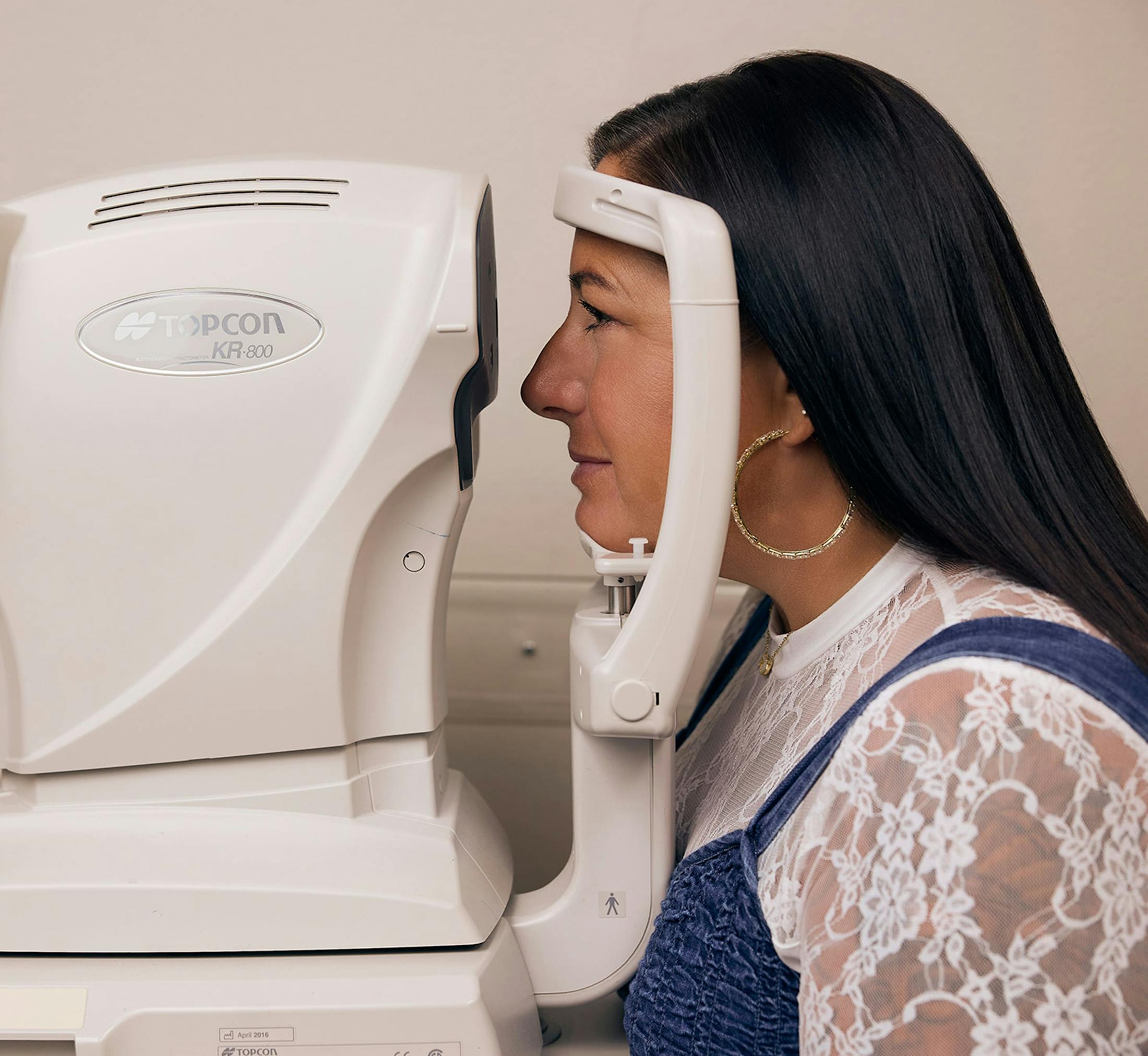
Woman during eye exam

What Causes Uveitis?

Uveitis can stem from a number of sources, including autoimmune conditions like rheumatoid arthritis or lupus, infections such as herpes or toxoplasmosis, eye injury, or exposure to certain toxins. In many cases, no specific cause is ever identified, which is referred to as idiopathic uveitis.


Types of Uveitis

  • Anterior Uveitis: The most common form, affecting the iris and the front of the eye, often causing pain and redness.
  • Intermediate Uveitis: Affects the middle portion of the eye, frequently causing floaters and blurred vision without significant pain.
  • Posterior Uveitis: Involves the back of the eye, including the retina and choroid, and can cause more serious vision changes.
  • Panuveitis: Inflammation that affects all layers of the uvea at once, typically requiring more aggressive treatment.
Banner media

Symptoms of Uveitis

Symptoms vary depending on which part of the eye is affected, but commonly include eye redness, pain, blurred vision, sensitivity to light, and new floaters. Some forms of uveitis develop suddenly and severely, while others progress slowly with milder, easy-to-overlook symptoms.

Request an Appointment

Contact Us
Contact us media

From phone staff to receptionists on both floors, office staff and Dr. Robert's; everyone was polite, competent, and fast! 10/10!

Kristi Ramon

Who's at Risk for Uveitis?

Uveitis can affect anyone, but it's more common in people with an existing autoimmune or inflammatory condition, as well as those with a history of eye injury or certain infections. Patients between the ages of 20 and 60 are diagnosed most often, though uveitis can occur at any age.

How Uveitis Is Diagnosed

Diagnosis starts with a detailed eye exam, allowing your ophthalmologist to look for signs of inflammation in and around the eye. Additional imaging or lab testing may be used to check for an underlying autoimmune or infectious cause, especially if uveitis recurs or affects both eyes. Because uveitis can be a sign of a broader health condition, coordination with your primary care provider or a rheumatologist is sometimes part of the process.

woman smiling | sunset | close up of an eye

Treatment Options

Treatment focuses on reducing inflammation quickly while addressing any underlying cause.

  • Corticosteroid Eye Drops: Often the first treatment used for anterior uveitis, reducing inflammation directly at the source.
  • Oral or Injected Steroids: Used for more severe or deeper inflammation that eye drops alone can't reach effectively.
  • Immunosuppressive Therapy: For chronic or recurrent uveitis linked to an autoimmune condition, medication that calms the immune system may be needed long term.
  • Treating the Underlying Cause: When uveitis is linked to an infection or systemic condition, treating that root cause is essential to preventing recurrence.
Banner media

Why Prompt Treatment Matters

Untreated uveitis can lead to serious complications, including glaucoma, cataracts, retinal damage, and permanent vision loss.

Because inflammation can escalate quickly, especially in more severe forms, getting evaluated as soon as symptoms appear gives your ophthalmologist the best chance to control it before lasting damage occurs.

Why Choose Ophthalmology Associates?

Ophthalmology Associates diagnoses and treats uveitis across North Texas, led by board-certified, physician-owned ophthalmologists rather than outside investors. We take inflammation seriously from the first visit, working quickly to control symptoms while investigating the underlying cause. Our team coordinates closely with other specialists when uveitis points to a broader health condition.

Background media

Uveitis Treatment Frequently Asked Questions

Is uveitis contagious?

No. Uveitis itself isn't contagious, even in cases caused by an underlying infection, since the inflammation occurs inside the eye rather than on its surface.

Yes. Untreated uveitis can lead to complications like glaucoma, cataracts, or retinal damage, making prompt treatment important for protecting long-term vision.

Some mild cases can resolve on their own, but it's not safe to assume that will happen. Because complications can develop quickly, any symptoms should be evaluated rather than waiting it out.

Yes, particularly when it's linked to a chronic autoimmune condition. Some patients experience recurring episodes and may need ongoing management to keep inflammation controlled.

It can be. Conditions like rheumatoid arthritis, ankylosing spondylitis, and lupus are all associated with a higher risk of uveitis, which is why your medical history matters during evaluation.

It varies widely. Some cases clear up within a few weeks of treatment, while chronic or autoimmune-related uveitis may require ongoing management over months or years.

textured media

Exceptional Eye Care Starts Here

From routine eye exams to advanced surgical care, our experienced team is here to help you see your best.

Schedule an Appointment
Contact us media
Accessibility: If you are vision-impaired or have some other impairment covered by the Americans with Disabilities Act or a similar law, and you wish to discuss potential accommodations related to using this website, please contact our Accessibility Manager at (817) 332-2020.
Contact Us