
At Ophthalmology Associates, we take pride in providing exceptional eye care services, specifically focusing on cataract surgery. With a team of highly specialized doctors dedicated to cataract treatment, you can trust us with your vision and eye health.
Cataract Surgeon Fort Worth
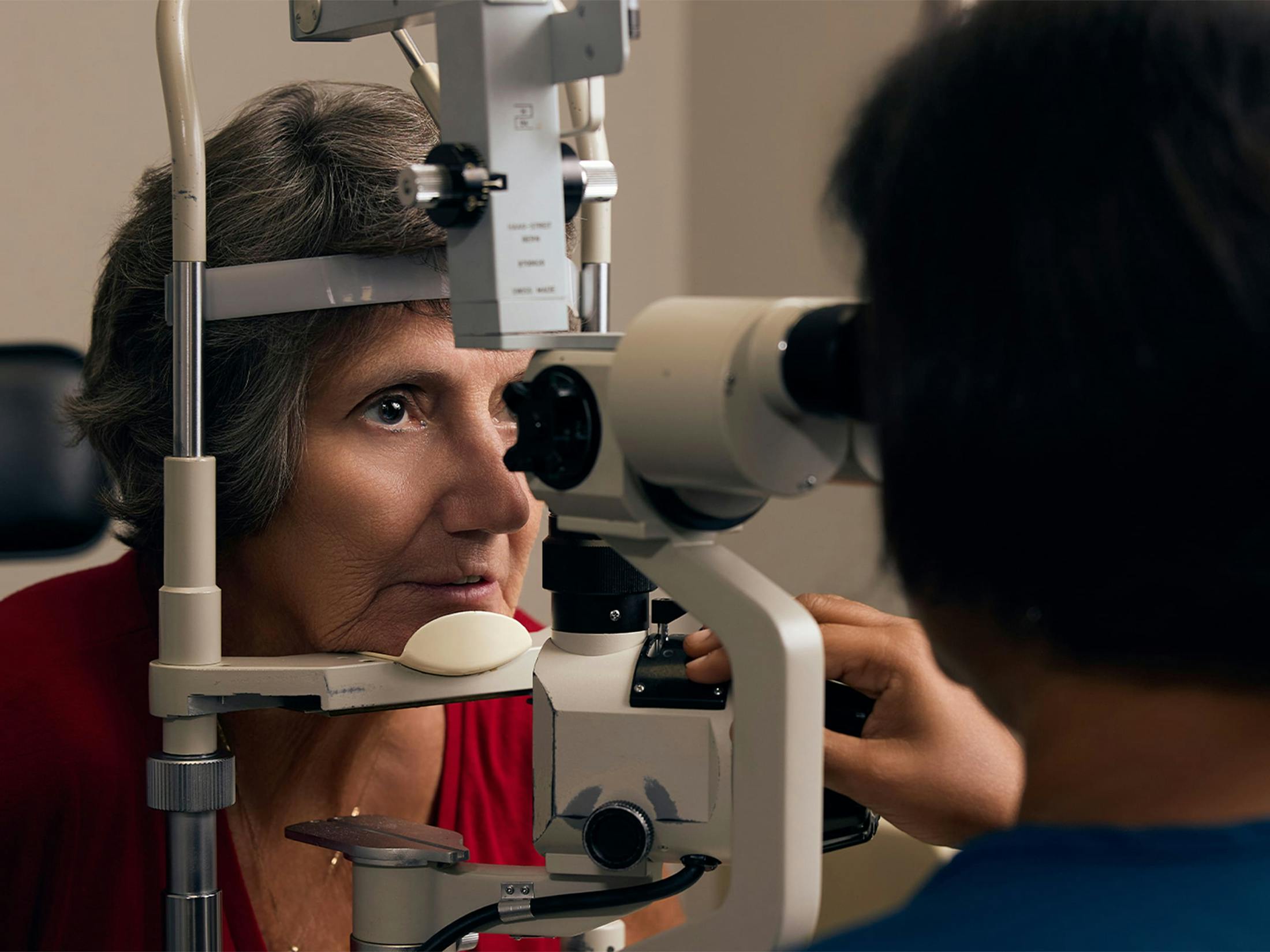
Our expert ophthalmologists have years of experience in diagnosing and treating cataracts, a common age-related eye condition that can cloud your vision.
Whether you’re experiencing early symptoms or require advanced cataract surgery, we are here to guide you through every step.

What Are Cataracts, and How Do They Affect Vision?
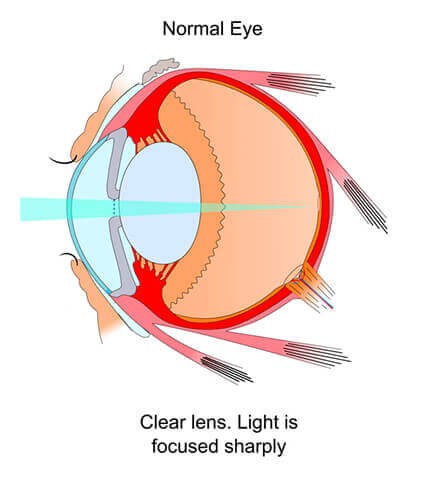
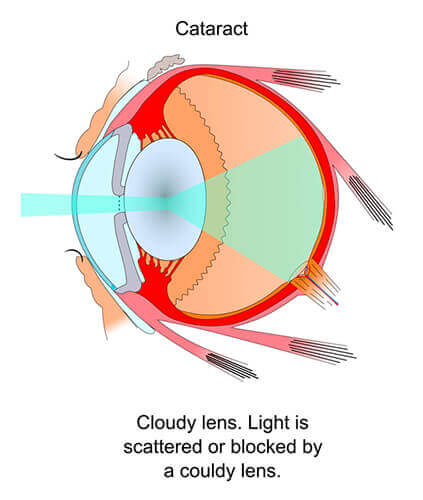
Cataracts are a common eye condition where the lens becomes cloudy and progressively more opaque, leading to blurred vision. The opacity interferes with light passing through the lens, keeping a clear image from forming on the retina. This cloudiness is often due to aging, but other factors like trauma, medical conditions, or genetics can contribute. If left untreated, cataracts can lead to significant vision impairment, impacting daily activities like reading or driving. Surgical removal and lens replacement are effective treatments to restore clarity.
What Are the Common Symptoms of Cataracts?
You can tell you’re developing cataracts if you experience any of the common symptoms:
- Blurred or Hazy Vision
- Difficulty with Night Vision
- Sensitivity to Light and Glare
- Frequent Prescription Changes
- Double Vision in One Eye
- Fading or Yellowing of Colors
- Difficulty Reading or Performing Detailed Tasks
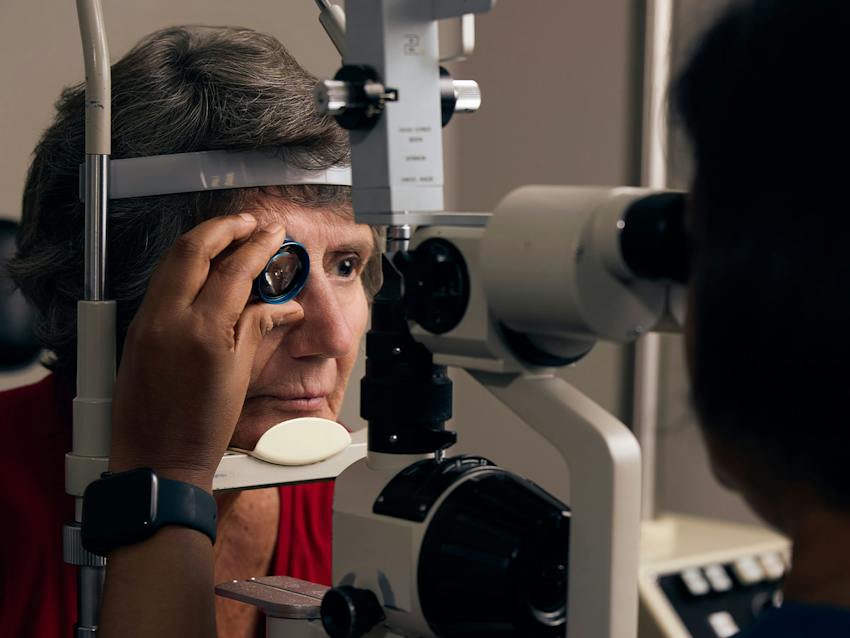
If you experience any of these symptoms, it’s essential to consult an eye care professional for a comprehensive eye examination and cataract screening.
Ophthalmology Associates in Fort Worth, TX, offers a cataract self-test on our website, which can help you determine if you may be at risk. For a diagnosis a complete professional eye examination is needed.

Cataract Treatment Frequently Asked Questions
What are my options for Cataract treatment?
After having a cataract consultation, there are two main options to improve vision:
- Non-surgical treatment
Non-surgical treatment options can help improve your vision and simplify living with a clouded lens. These options include:
- New eyeglasses or contact lenses: A new prescription can help to sharpen your vision. A contact lens may be a better option to correct astigmatism or other vision problems.
- Brighter lighting: Using brighter lighting at home and work can help you see better.
- Anti-glare sunglasses: These can help reduce glare from headlights, sunlight, and other light sources.
- Magnifying lenses: Magnifying lenses can help you see objects closely when reading or doing other activities.
- Cataract surgery
Cataract surgery is the only way to restore your clear vision. In cataract surgery, an ophthalmologist removes your clouded natural lens and replaces it with a clear artificial lens called an intraocular lens (IOL). Many different types of IOLs are available. Discuss with your ophthalmologist which option is best for you. An intraocular lens can also correct other vision problems, such as nearsightedness, farsightedness, and astigmatism. Cataract surgery is a very safe and effective procedure. It’s typically performed as an outpatient, and most cataract patients recover their vision within a few days.
Other considerations for getting lens implants are:
- Severity: Mild conditions can be managed with non-surgical treatment options. However, severe cases will likely need surgery to restore vision.
- Overall health: Health conditions like diabetes or high blood pressure might affect cataract surgery. Be sure to talk to your doctor about your health condition.
- Lifestyle: If you are active in sports or other activities that could put your eyes at risk, cataract surgery may be a good option.
What qualifications should I look for in a cataract surgeon?
Some things to consider when selecting a cataract surgeon are:
- Education and training. The surgeon should be a board-certified ophthalmologist who has completed medical school and a residency in ophthalmology.
- Experience. The surgeon should have experience performing cataract surgery. Find out how many cataract surgeries they have performed and their complication rate.
- Reputation. It is also a good idea to ask your friends, family, and other healthcare providers for recommendations. You can also read online reviews of cataract surgeons in your area.
In addition to these qualifications, finding a surgeon you trust and feel comfortable with is essential.
Talk to the surgeon about their experience and philosophy of care. Make sure you know the risks and benefits of cataract surgery and that you’re comfortable with the surgeon’s approach.
How is a cataract removed?
Phacoemulsification literally means “breaking up of the lens.” It is by far the most common type of cataract surgery. It’s a minimally invasive procedure that uses an ultrasound that vibrates between 30,000 to 40,000 times per second to break up the cloudy lens and gently vacuum the pieces out of the eye.
An intraocular lens implant (IOL) is used to replace the clouded lens. IOLs come in various types, including monofocal, multifocal, and toric lenses. The choice entirely depends on your preference, lifestyle, and any other existing vision issues.
- Monofocal IOLs are an excellent choice for the patient who does not mind wearing prescription glasses after cataract surgery.
- Multifocal IOLs provide clear vision at multiple distances (near, intermediate, far), reducing dependence on glasses.
- Toric IOLs are used to correct astigmatism at the time of the cataract surgery and eliminate distance glasses,
IMPORTANT NOTE: Multifocal IOLs and Toric IOLs are considered to be cosmetic and have out-of-pocket expenses that are not covered by insurance companies. The technology in these lenses is impressive and can be life-altering but they can also be expensive. There is NEVER a time when a patient MUST have a Multifocal IOL or Toric IOL. If you feel pressured to choose one of these lens implants you should certainly get a second opinion from another cataract surgeon.
What can I expect during the cataract surgery procedure?
- Preparation: You will be given eye drops to dilate your pupil. You will also receive medications to help you relax. Local anesthetics will be used to numb your eye. Once you’re relaxed, the surgeon will start the procedure.
- Procedure: The surgeon will make a tiny incision in the front of your eye. Once the incision has been made, the surgeon will insert a tiny probe into the eye that emits ultrasound waves to break up the cloudy lens. The lens fragments are then gently removed.
- Lens insertion: Once the cataract is gone, it will be replaced with an intraocular lens. This new lens is folded and inserted through the same incision, allowing it to heal naturally without requiring stitches.
- Post-Surgery: After the procedure, a protective shield may be placed over your eye to keep it safe during recovery. The surgery usually takes less than 20 minutes, and you will go home the same day.
Your eyesight may be blurry for a few days after surgery since your eye is still healing and recovering from surgery. Regular follow-up appointments will be required to ensure your eye is healing correctly and your vision is improving.
How long does it take to recover from cataract surgery?
Most patients recover in 1 to 2 weeks. Some blurriness or discomfort may still be experienced as the eye heals. Strenuous activities such as swimming and contact sports should be avoided, and your doctor’s care instructions should be followed.
Wearing sunglasses outdoors is also highly recommended to protect your eyes from bright light, which can be uncomfortable for the first few weeks after surgery. Your doctor may also recommend using artificial tears to help keep your eyes lubricated during recovery.
Will I need to wear reading glasses or contact lenses after cataract surgery?
The need for reading glasses or contact lenses will depend on the type of IOL. Monofocal IOLs are designed to allow you to see clearly at all distances with glasses such as bifocals or trifocals. .
However, multifocal IOLs can reduce your dependence on glasses or contact lenses. Toric IOLs, meanwhile, can correct astigmatism as well. You can discuss all your options with your surgeon and choose the type of IOL that best suits your lifestyle and needs.
Does insurance cover cataract surgery?
Because it’s considered a necessary medical procedure, most health insurance plans cover part or all cataract surgery costs. Coverage may vary widely, depending on your specific insurance plan and the type of IOL selected.
Ophthalmology Associates is a provider for a wide range of medical insurance plans, and you can check here for a comprehensive list of accepted insurances.
Can I have both eyes done in the same surgery session?
Cataract surgery is almost always performed one eye at a time. There are some practices that are investigating what is called “sequential surgery” where both eyes are done on the same day but the doctors at Ophthalmology Associates do not believe that there is enough evidence that this is in the best interests of the patient.
How can I schedule a consultation or learn more about cataract surgery in Fort Worth?
At Ophthalmology Associates, we’re proud to be the only multi-specialty ophthalmology practice in the Dallas-Fort Worth metro area. And we’re committed to providing comprehensive, personalized, and the highest quality care for our patients.
If you’re interested in learning more about cataract surgery or would like to schedule an appointment with one of our experienced surgeons, visit our website or call us at (817) 833-2202.

Cataract Symptoms